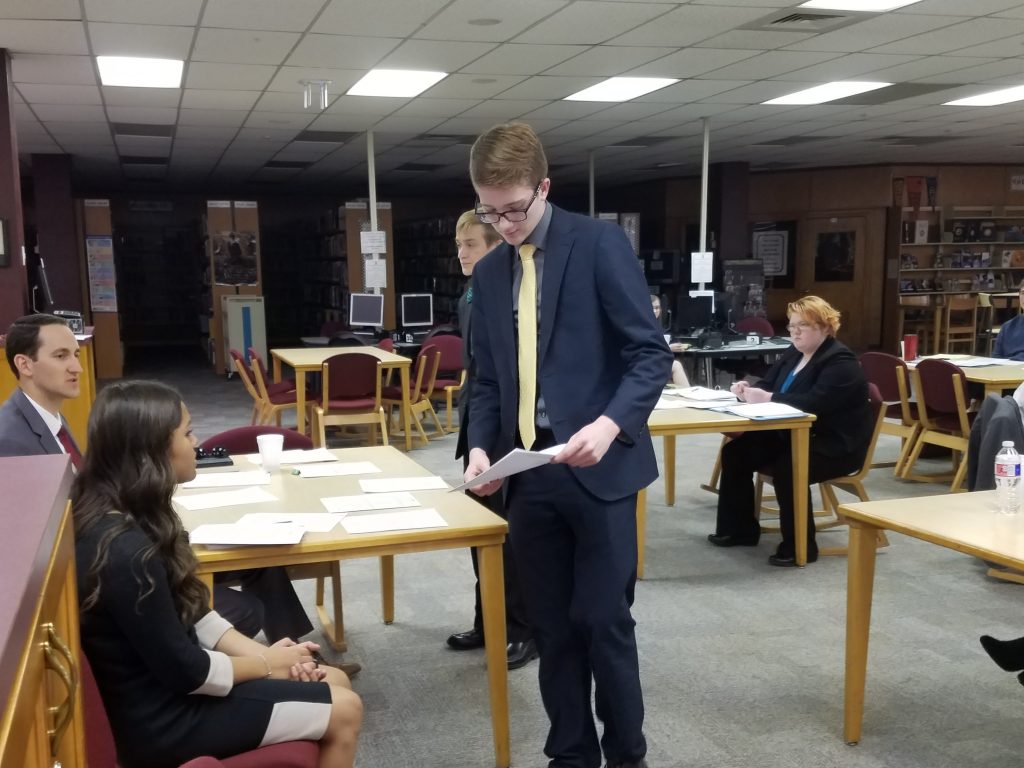
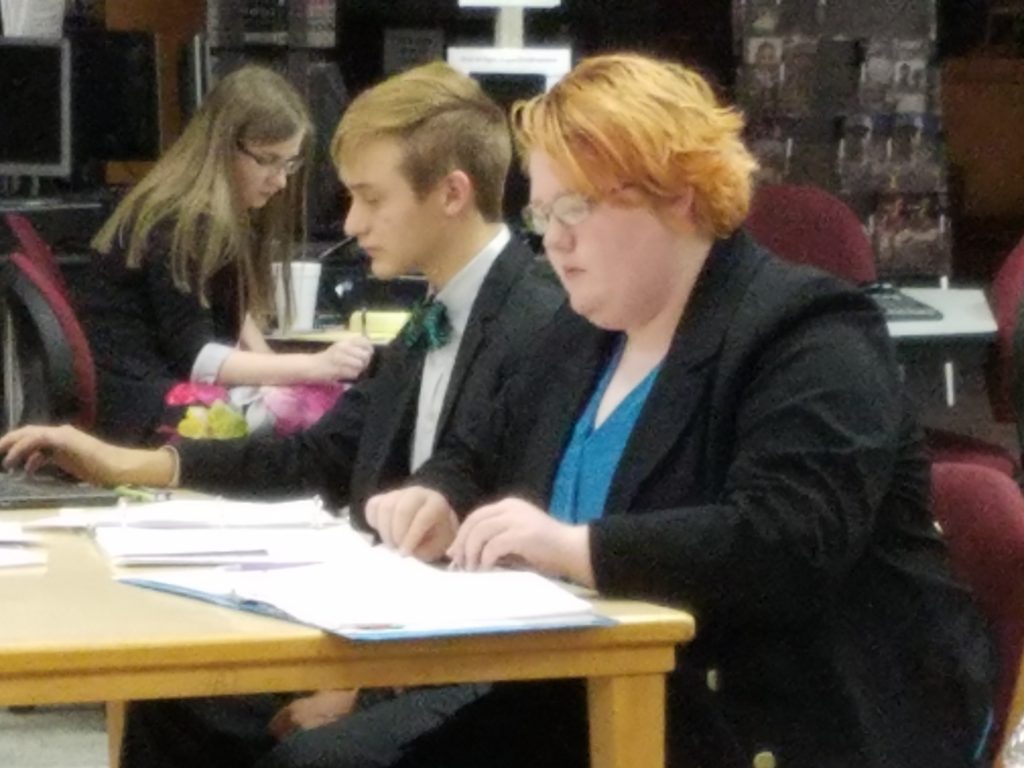
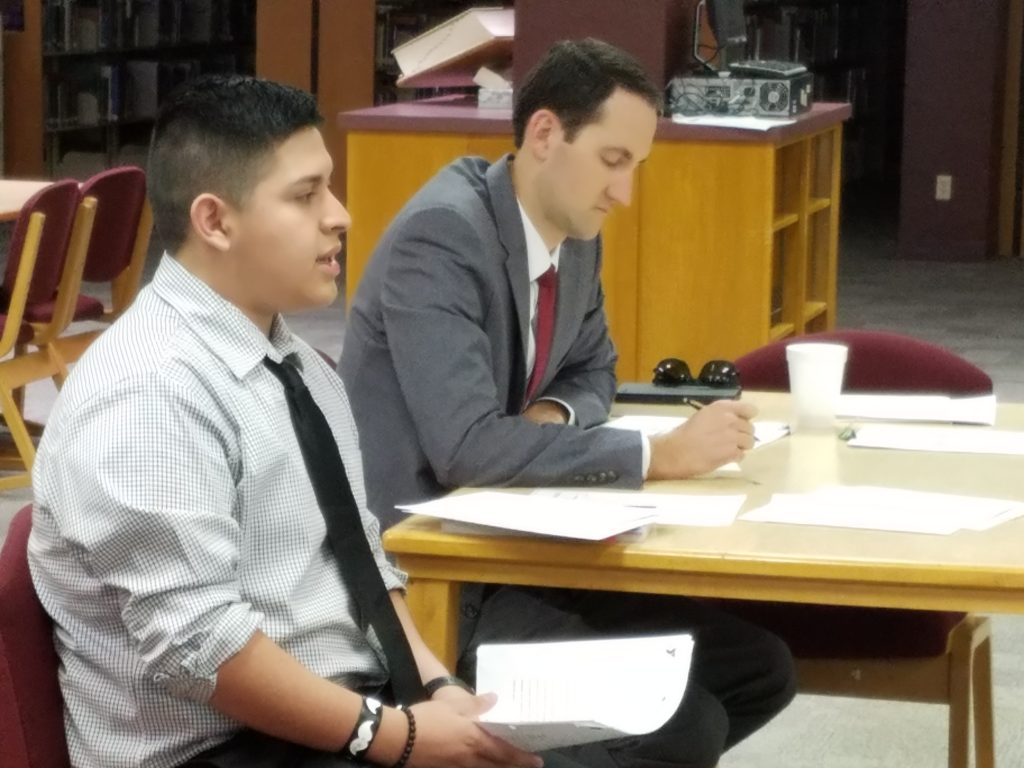
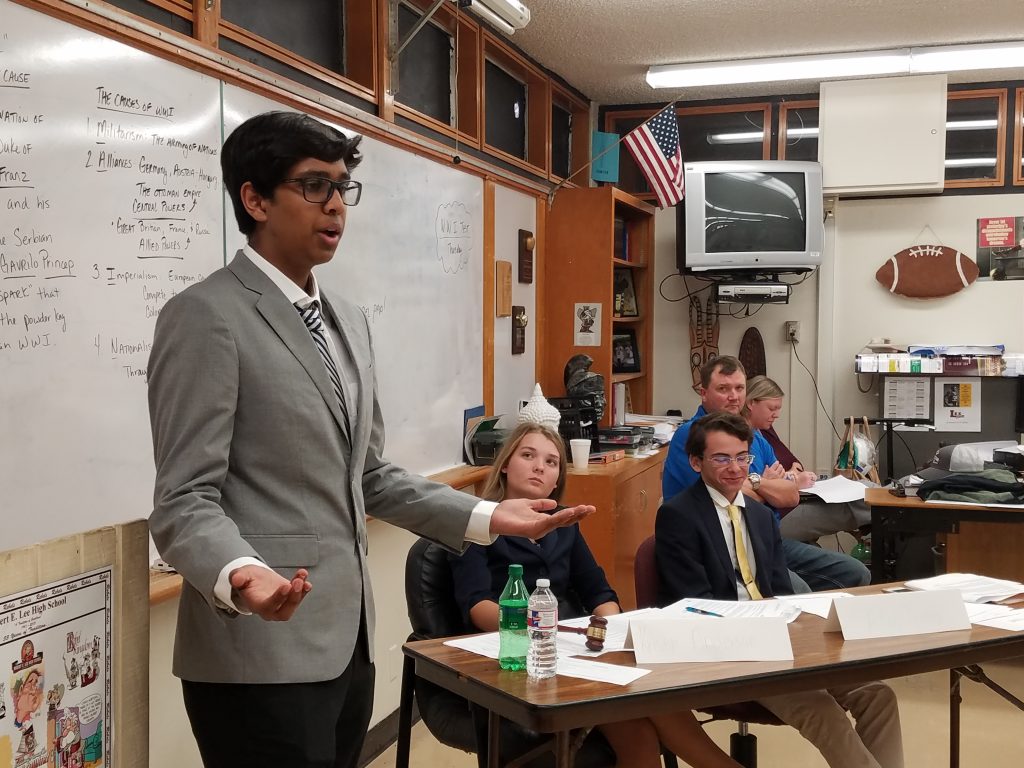
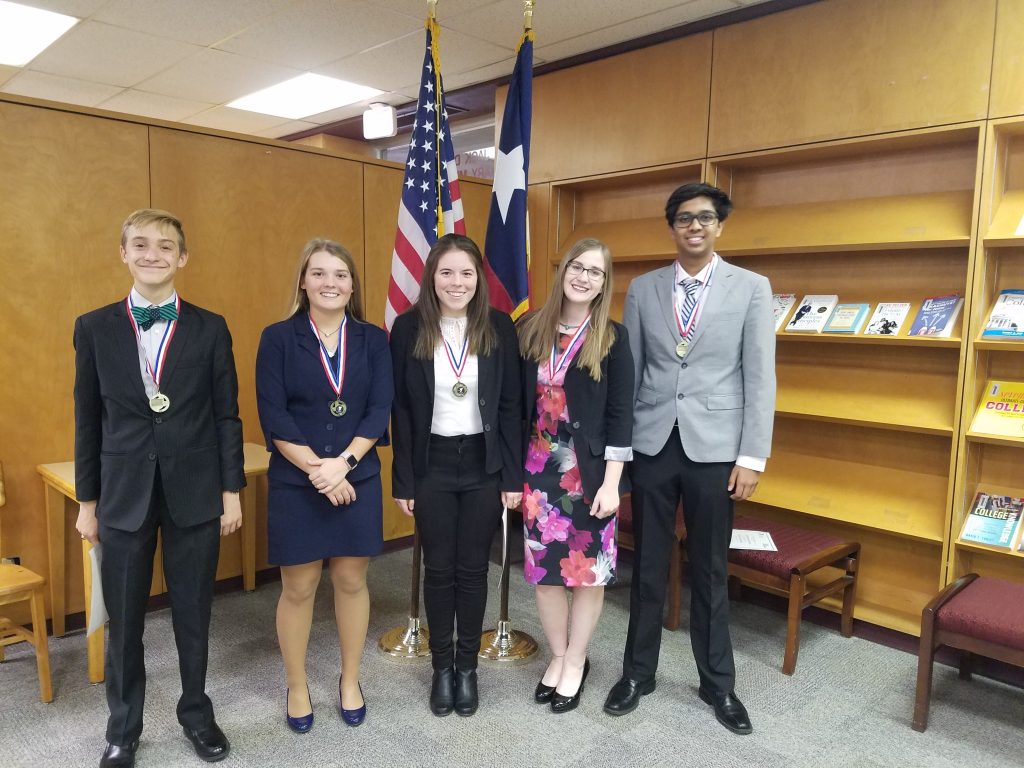
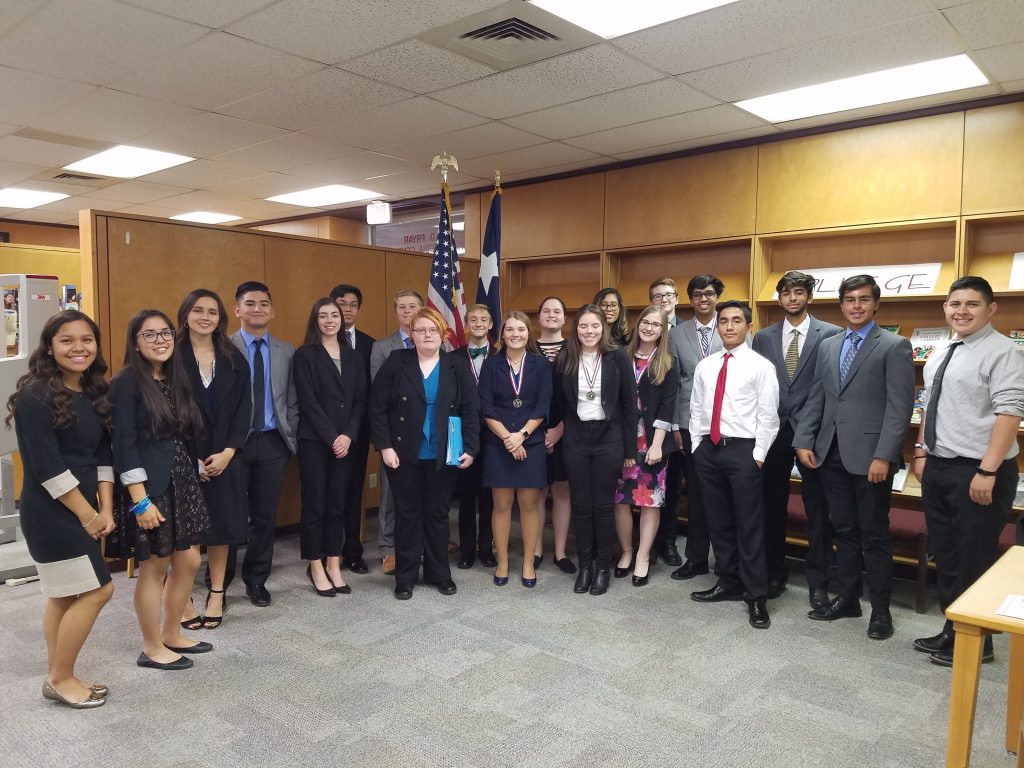
Volunteer with us Today!! We have various dates to choose from Jan 31st | Feb 1st | Feb 27th | Feb 28th | Mar 1st | Sign Up Today!

txyg

About TX YG

This author has not yet filled in any details.
So far TX YG has created 234 blog entries.

National Volunteer Week 2018
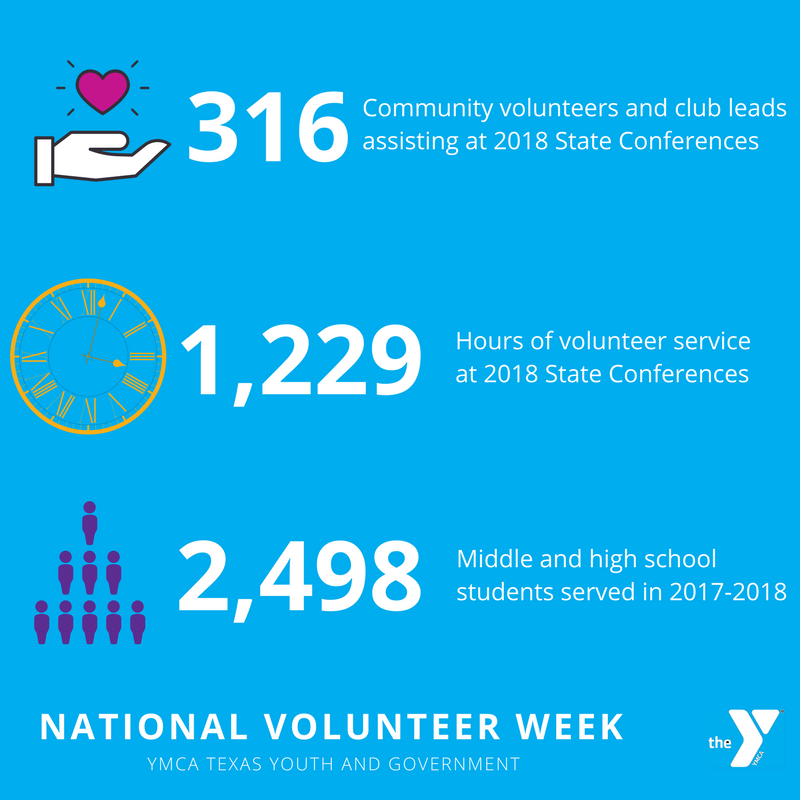
Happy National Volunteer Week, Texas YG!  Our volunteers make our program possible, and we cannot stress enough the impact they make.  We hope the stats above and student testimonials below convey our appreciation for our volunteers’ hard work.  Thank you!

Awesome feedback on evaluators!
I thoroughly enjoyed my time at this State Conference, so props to all the volunteers and leaders that caused it to be so great.
I know having enough volunteers makes a difference!
GREAT evaluators.
I was super impressed by the amount of amazingly qualified individuals that y’all found to evaluate District Court. These men and women showed that they really cared about our future success through their critical feedback in every case as opposed to the all positive feedback received at the district competition.
2018-05-31T07:22:23-05:00April 16th, 2018|Uncategorized|0 Comments

National Advocacy Days 2018

Advocacy and political activity are in the air this week with the wrap up of Texas primary elections.  Texas Youth and Government is proud to share details about how students Athena Bruess (Dallas) and Maria Daniela Noonan (Austin) are currently bringing their own passions for advocacy and civic engagement to the nation’s Capitol!  The Texas Youth and Government program selected these National Advocacy Days Youth Advocates from a competitive pool of applicants.

Each year, Youth and Government programs across the country send Youth Advocates to participate in Y-USA’s National Advocacy Days.  Y representatives and Youth Advocates meet with legislators and other decision makers to discuss Y-USA’s policy priorities.  Y-USA grounds these priorities in the Y’s focus areas: youth development, healthy living, and social responsibility.  This year, Athena and Maria Daniela are helping Y-USA advocate for quality out-of-school-time programs funded by 21st Century Community Learning Center allocations and the Child Protection Improvements Act.  This legislation grants organizations that serve children access to FBI fingerprint background checks as part of their comprehensive volunteer and employee screening process.  Our Youth Advocates are also standing up for $1.28 billion in funding for the CDC’s Chronic Disease Control and Prevention program and tax reforms to facilitate charitable giving to nonprofits strengthening American communities like the YMCA.

Through their National Advocacy Days experience, Athena and Maria Daniela are gaining exposure to the national policymaking process, Y-USA advocacy efforts, and public policy career tracks.  They have met with Rep. Pete Olson (Texas’ 22nd congressional district) and Rep. Sheila Jackson Lee (Texas’ 18th congressional district).  They have also connected with Y staff including David Lopez with the YMCA of Greater Houston and the Texas State Alliance of YMCAs and Cesar Silva, Chief Financial Officer of the YMCA of Greater Houston.  When not in meetings with legislators or Y staff, they have a chance to visit the Smithsonian, participate in round tables and workshops, and take tours of the Capitol.  We’re so glad to support these students and to have the opportunity to show off Texas YG’s work on a national stage!


2018-05-31T07:22:23-05:00March 7th, 2018|Uncategorized|0 Comments

Upcoming State Conference

YG Participants….

We look forward to seeing you in Austin in just 2 short weeks.  Soon we will post the Conference Brochure, Bill Book and Proposal Book on the website for you to begin reviewing schedules and making final preparations for the conference. Here are a few updates:

  • This year’s YG Officers have selected “Ancient Greece, the Foundation of Democracy” as the dance theme.  We will provide guidelines and some pictures for appropriate attire you can wear to the dance.
  • The dress for the banquet is business attire, so students will not need to change upon returning from the State Capitol on Saturday to go the banquet. After the closing ceremonies, students will have time to then change for the dance and evening social.
  • Additionally we have posted the memo with judicial questions and answers to the resource portal in both Trial and Appellate.  There are no major changes to the case, just some clarifications to a few of the questions that were submitted.
  • Look for emails from your section leaders in Media, Appellate and Elections for some last reminders you need before conference.
  • We are hosting a Senior Reception on Saturday evening before the banquet dinner. This is a short 1 hour event for our graduating seniors and will include some round table discussions with guest speakers who will share career paths ins some different fields.

See you soon!

2018-05-31T07:22:28-05:00January 10th, 2018|Uncategorized|0 Comments

2017 District Conference Pictures

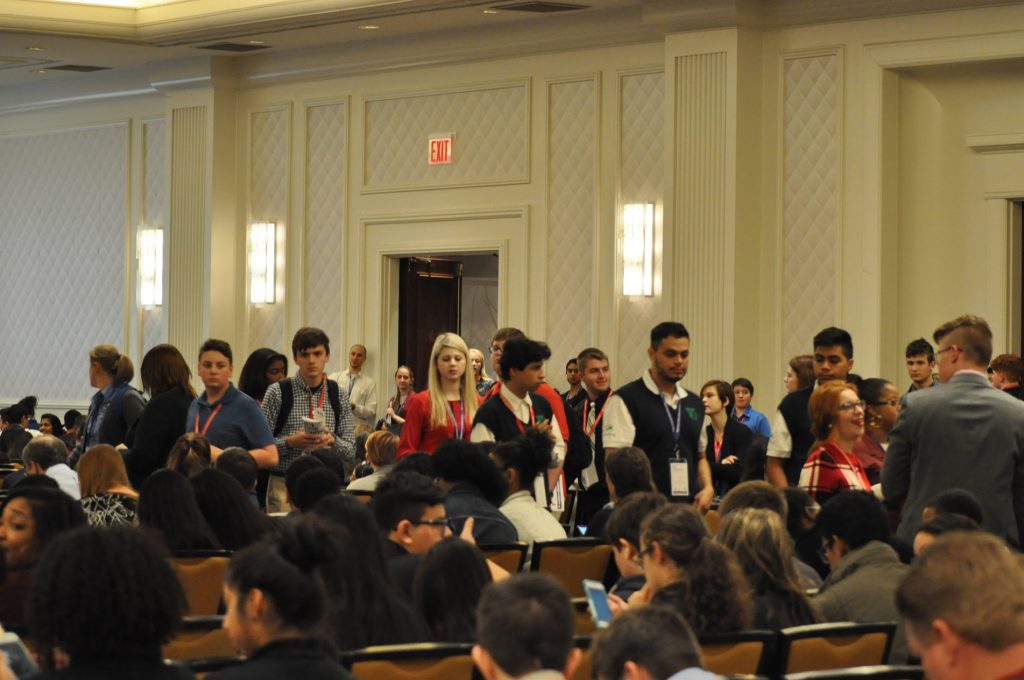
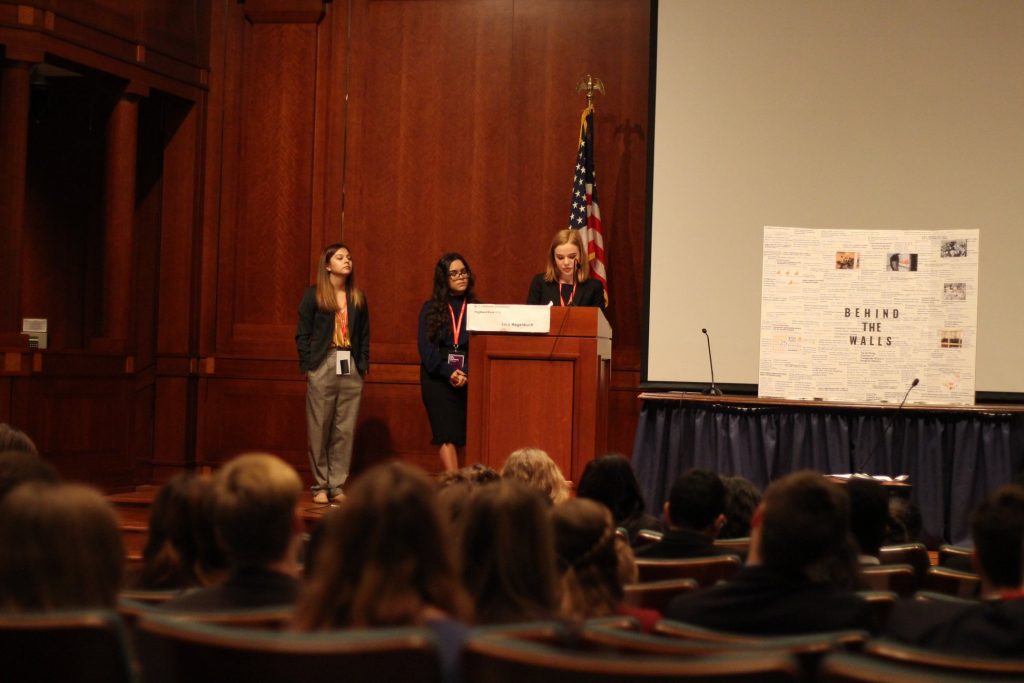
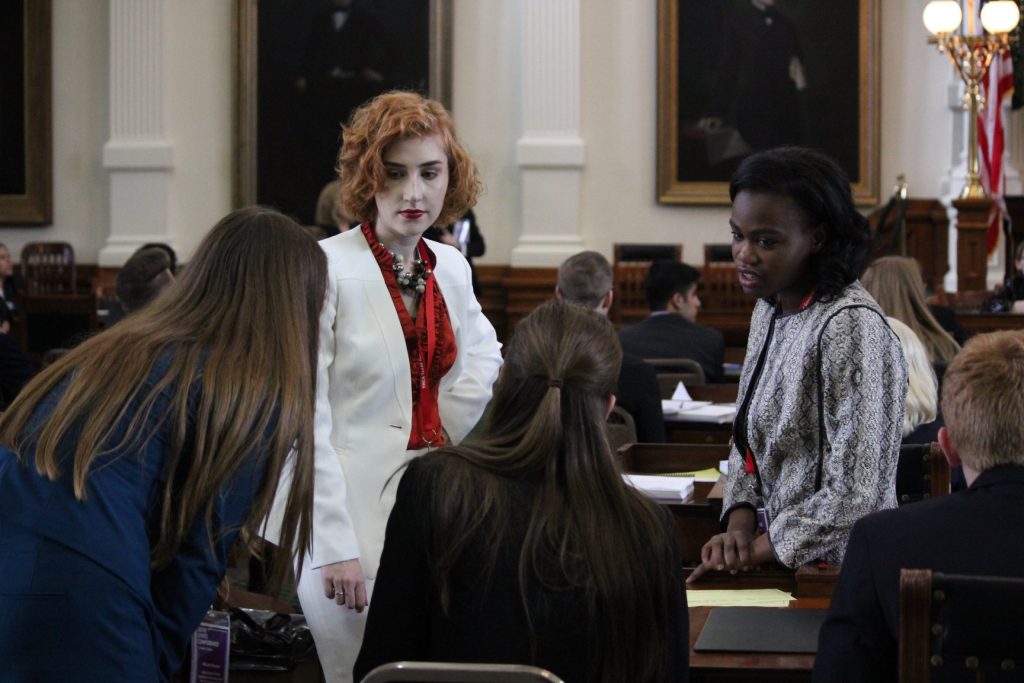
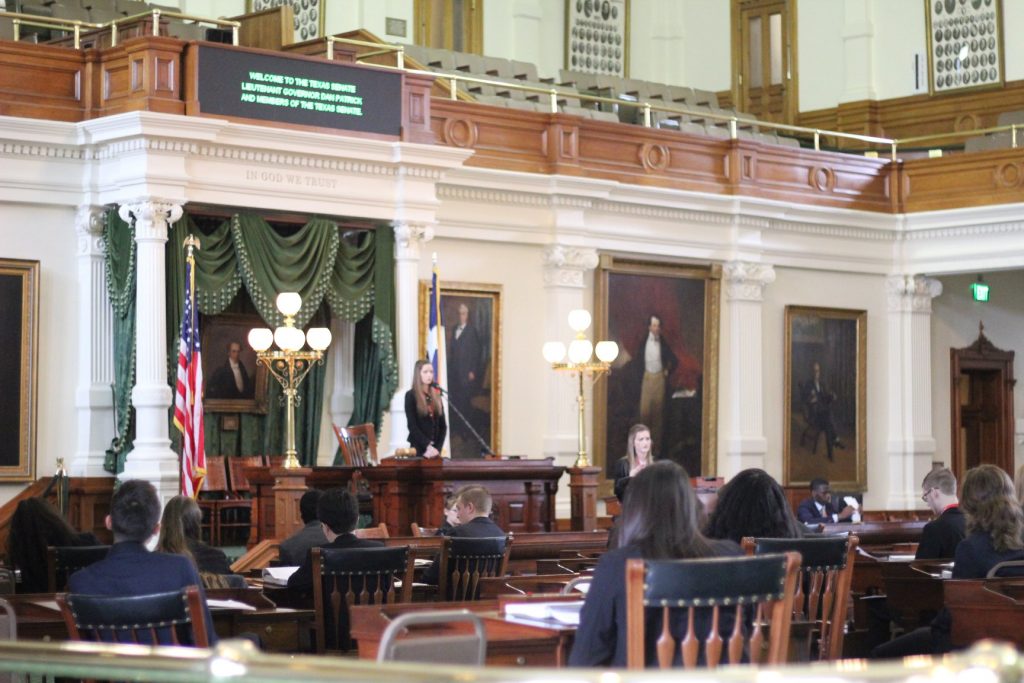
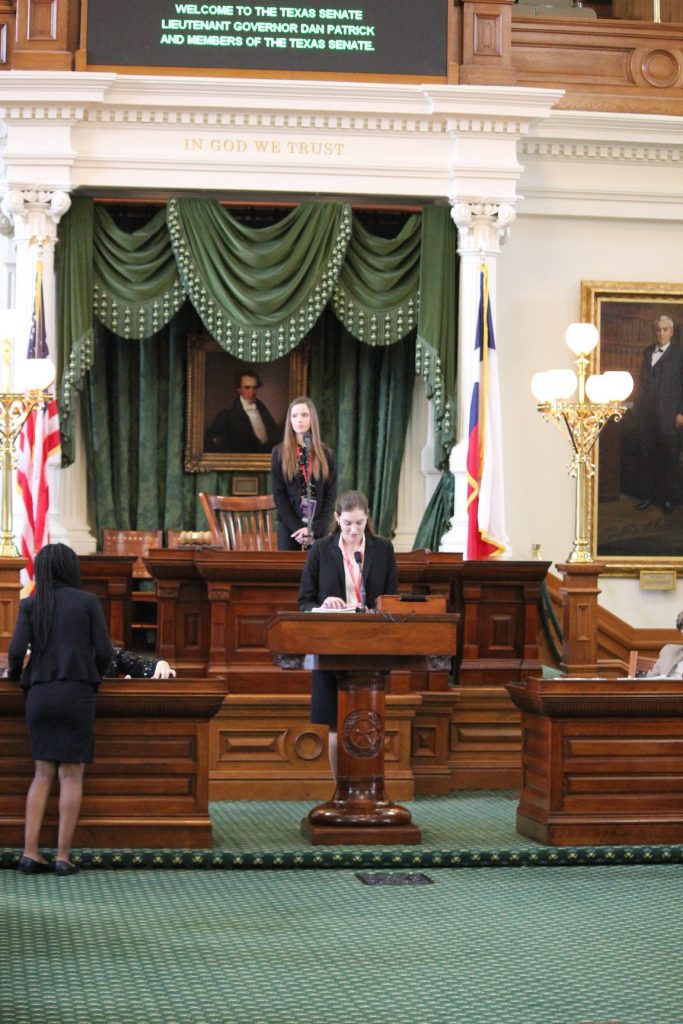
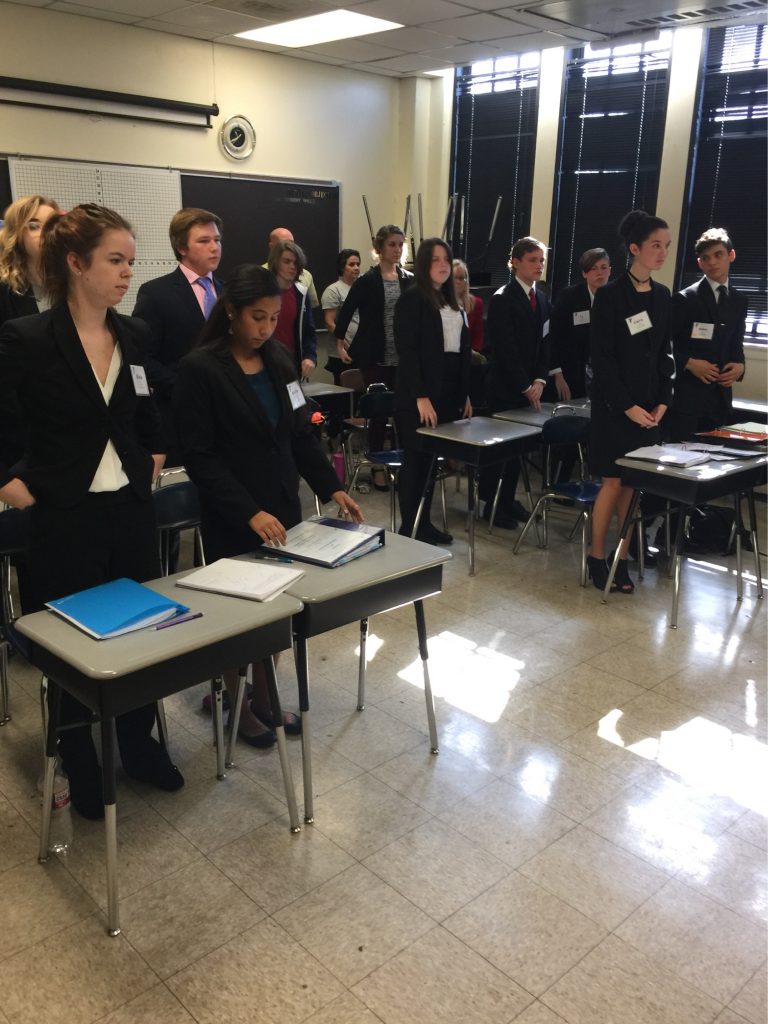
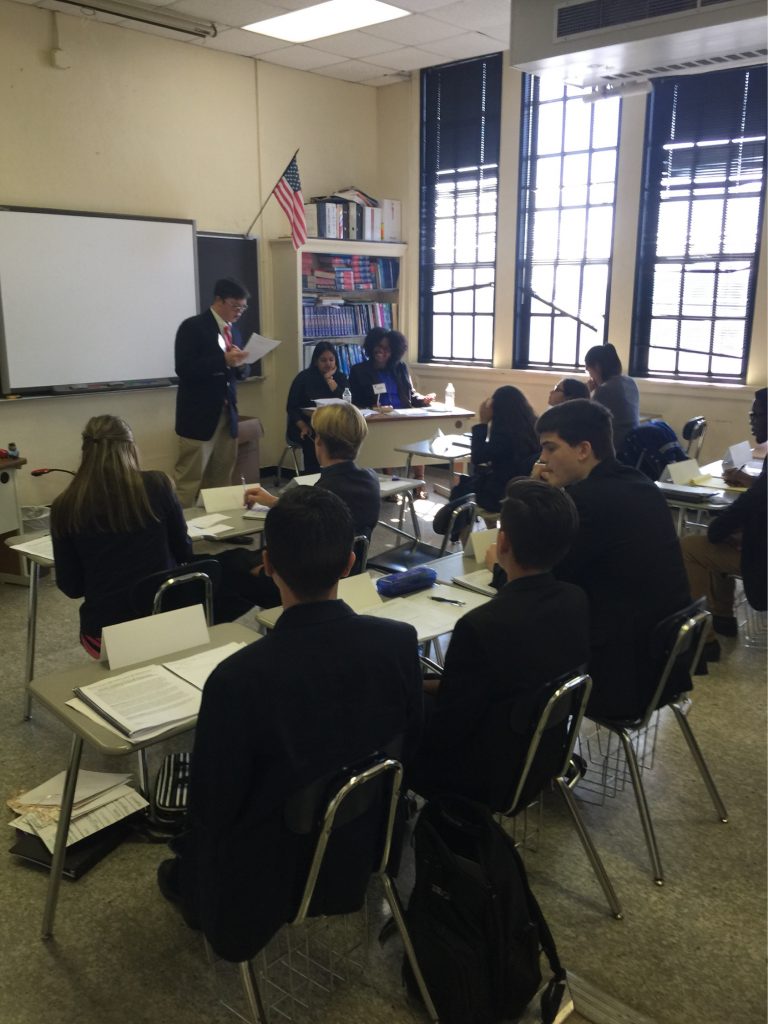
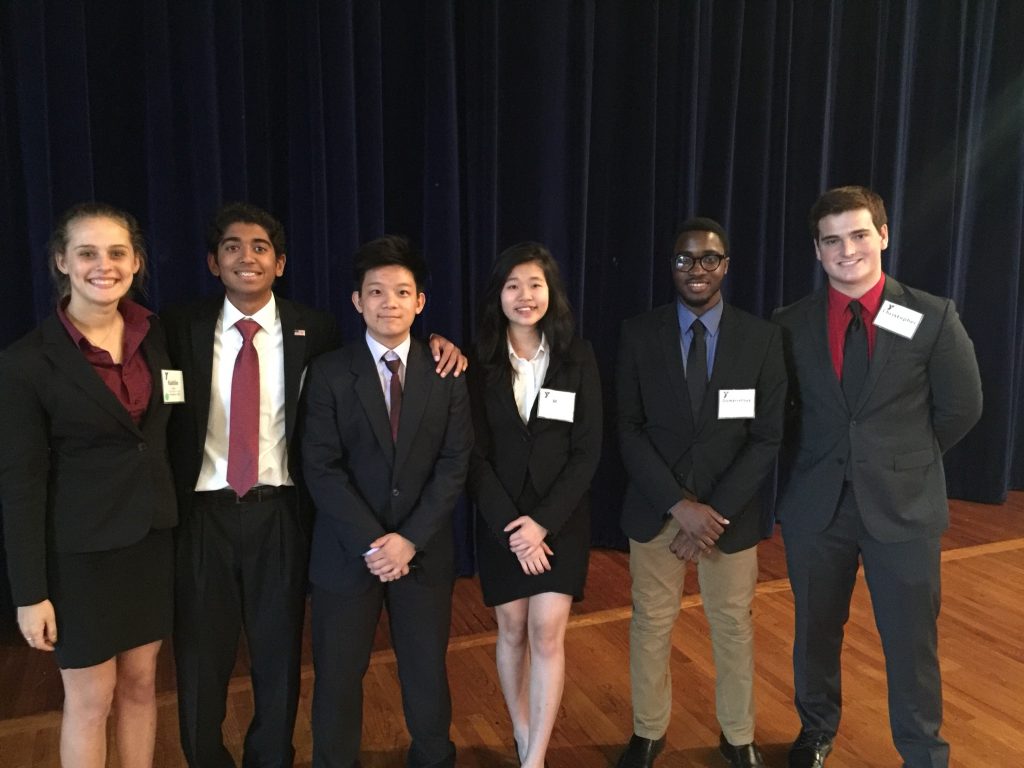
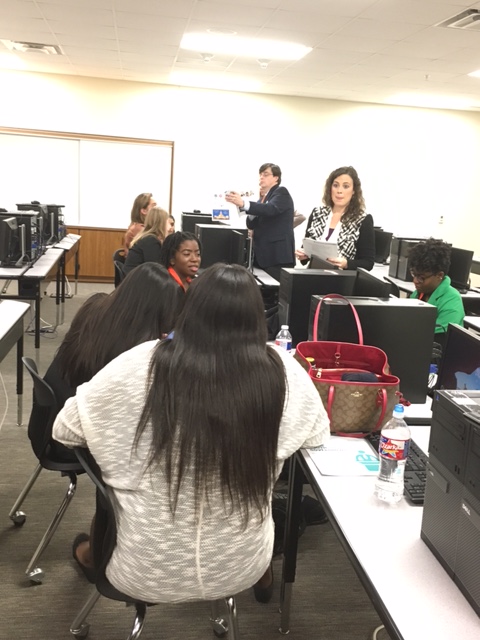
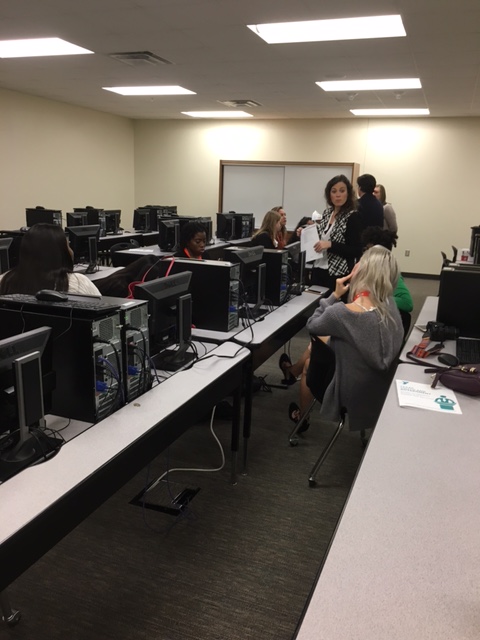
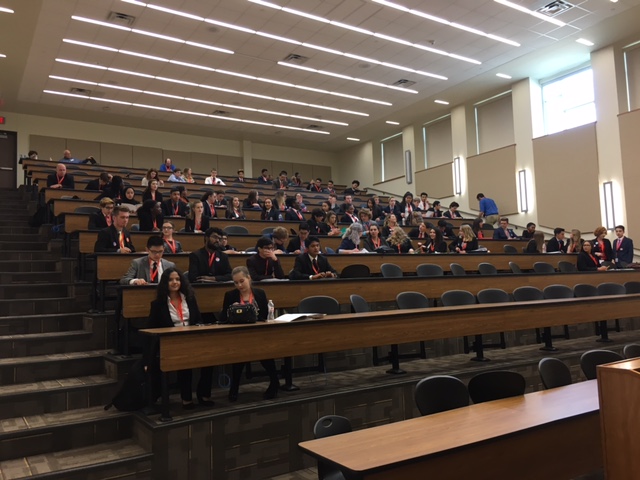
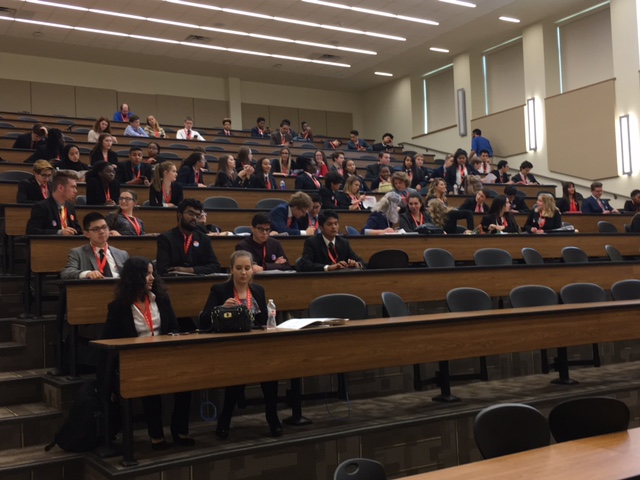
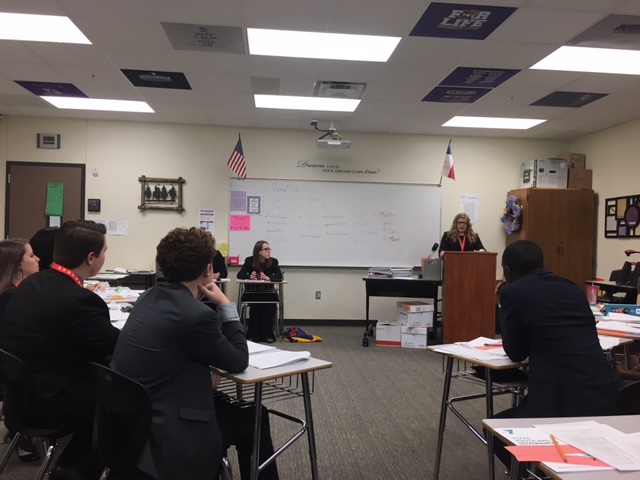
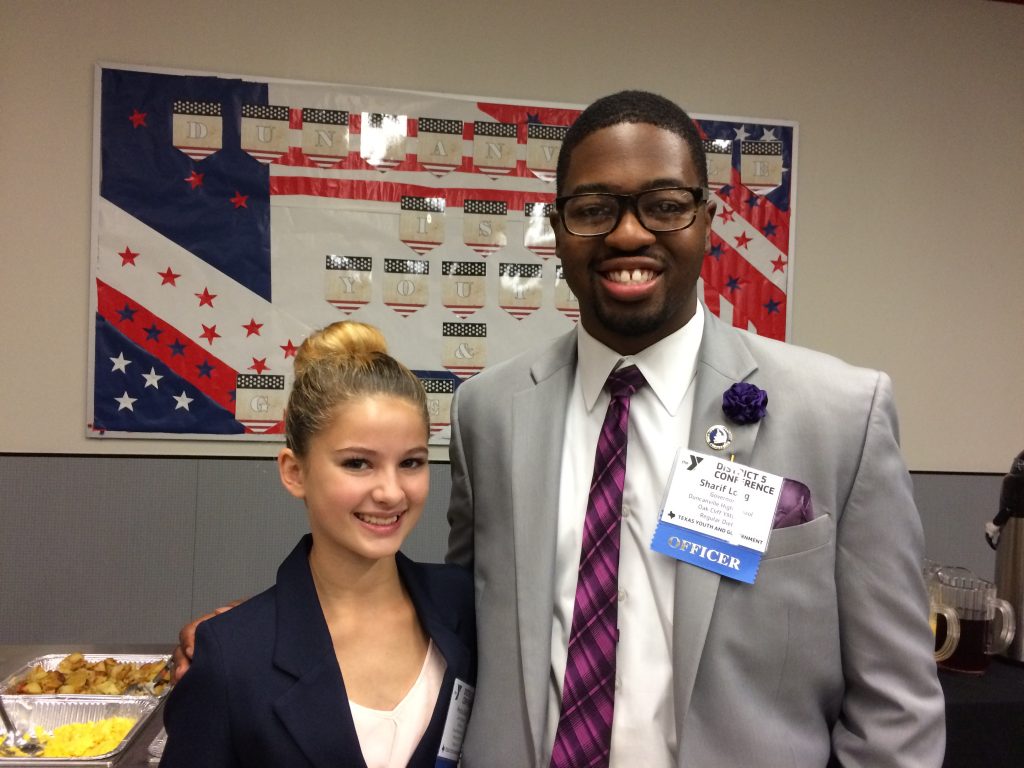
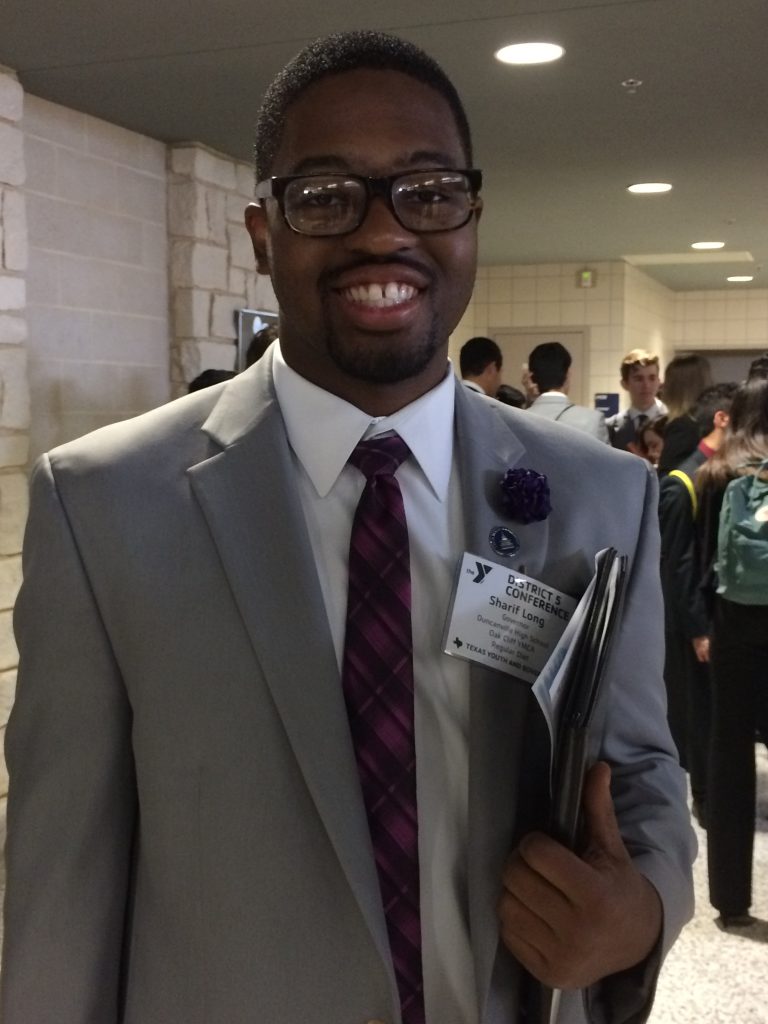
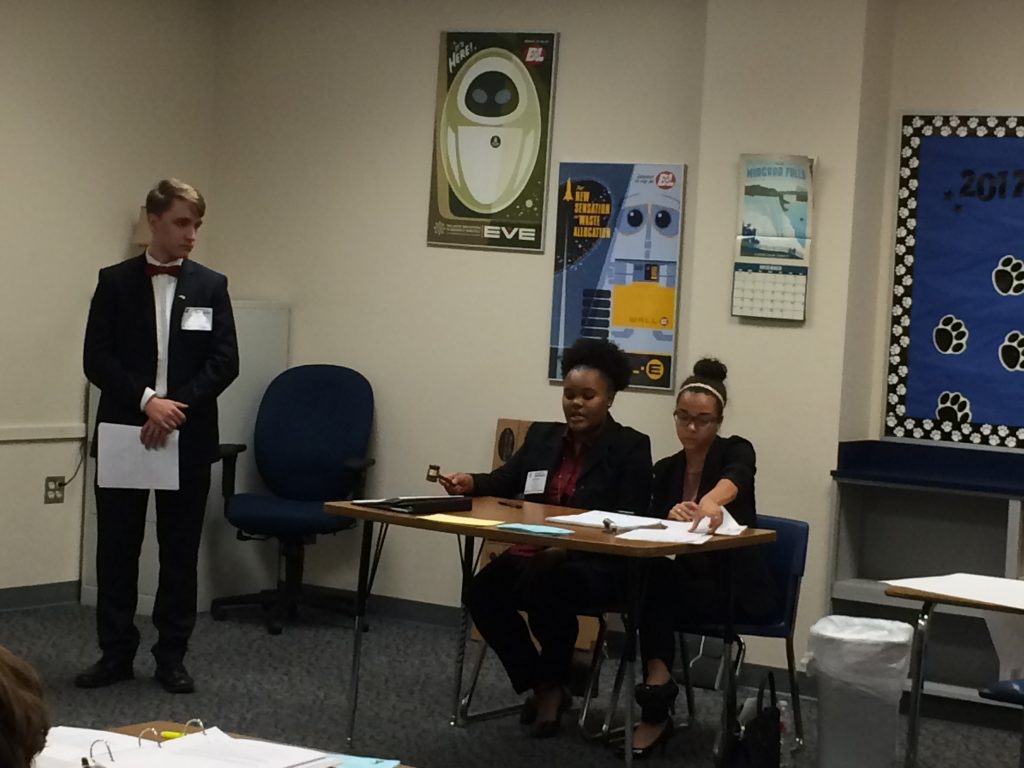
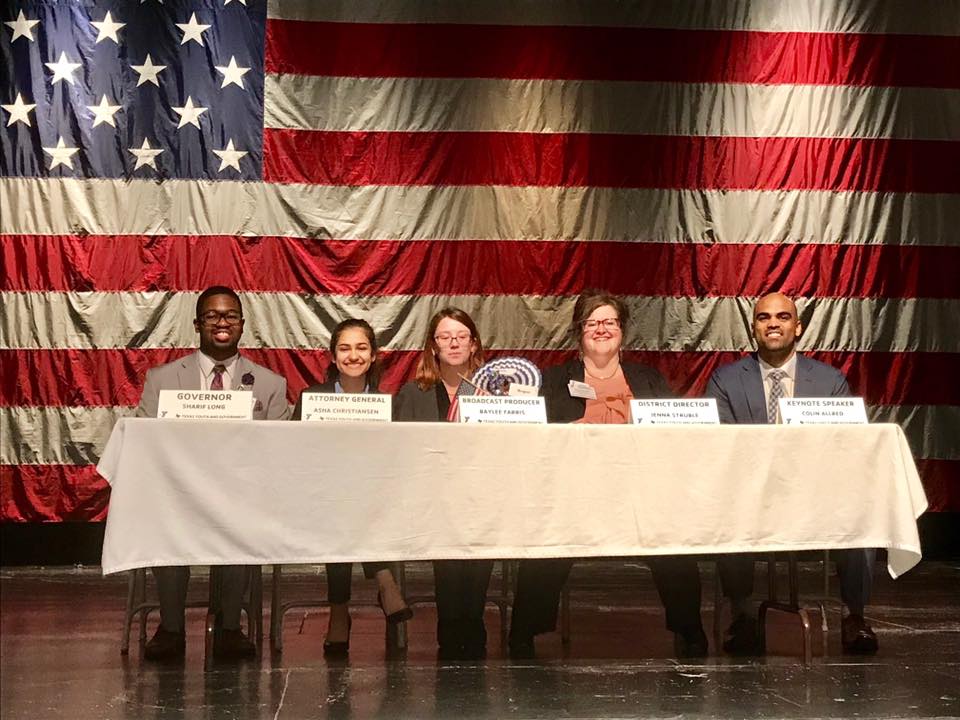
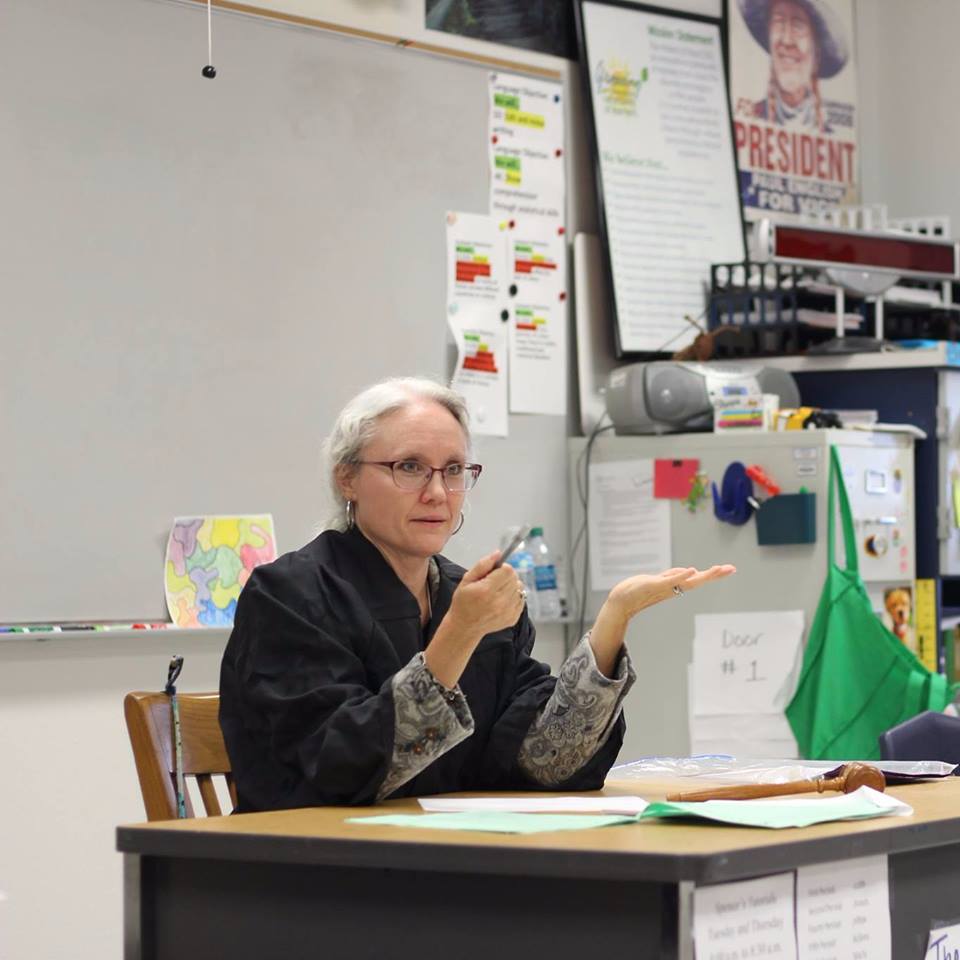
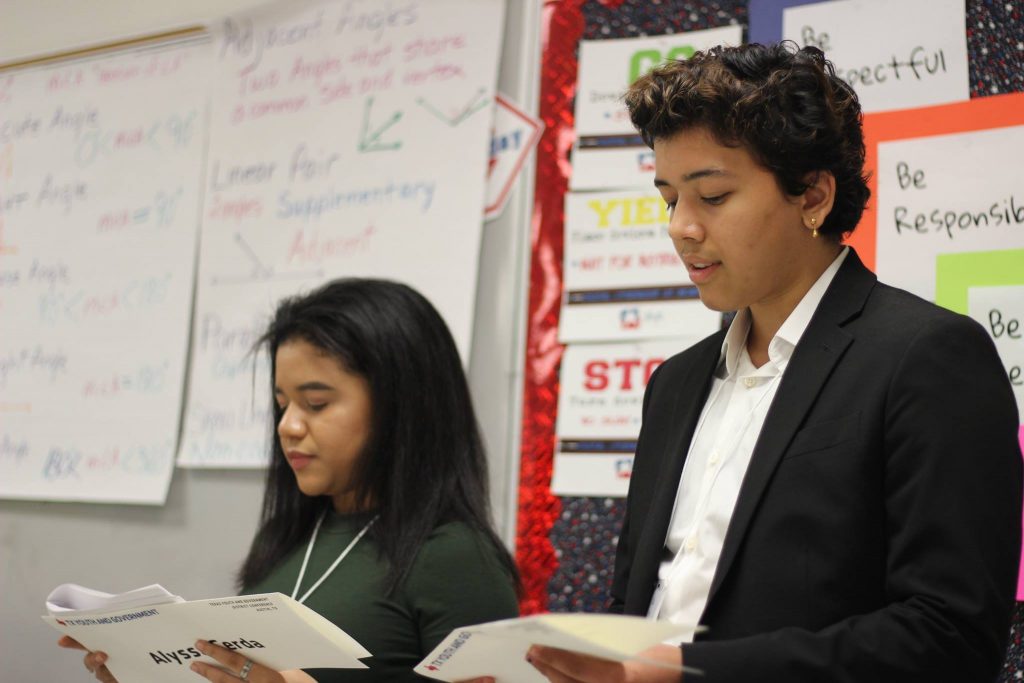
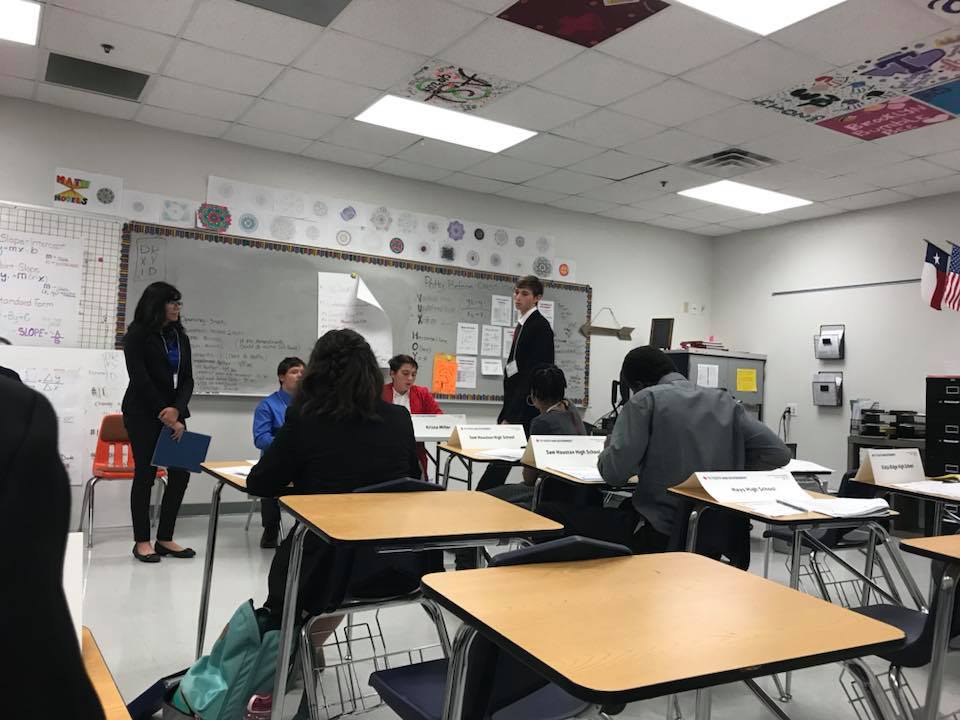
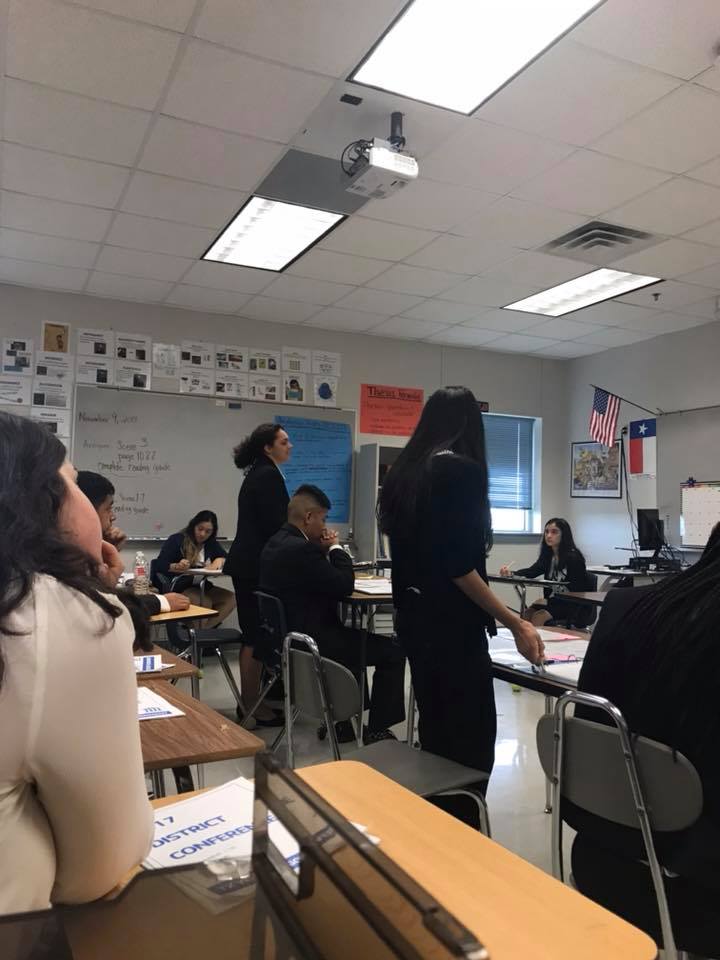
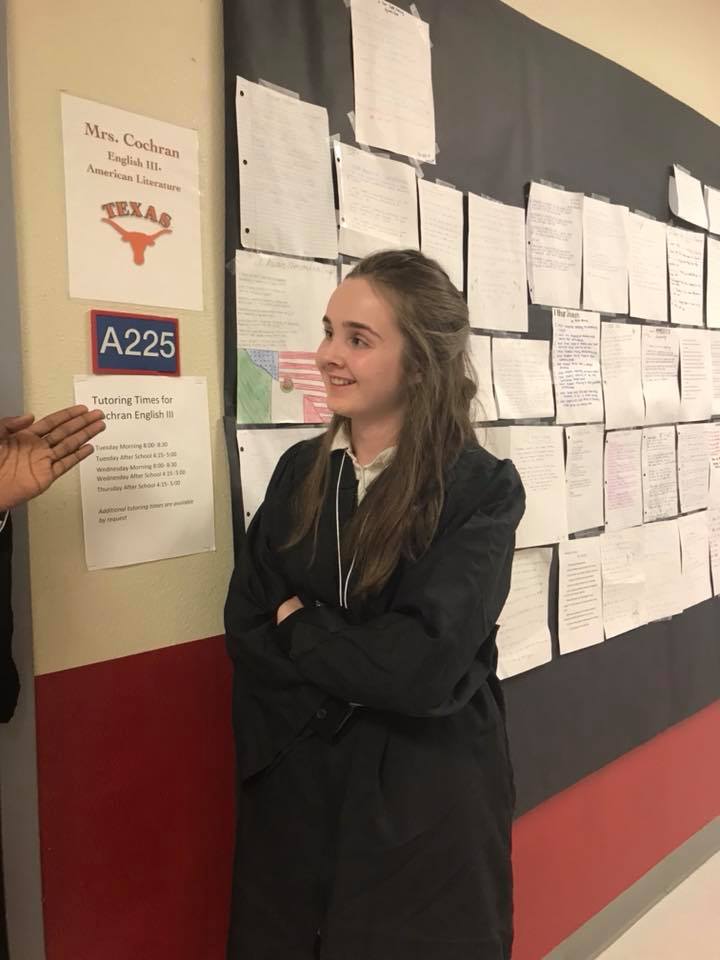
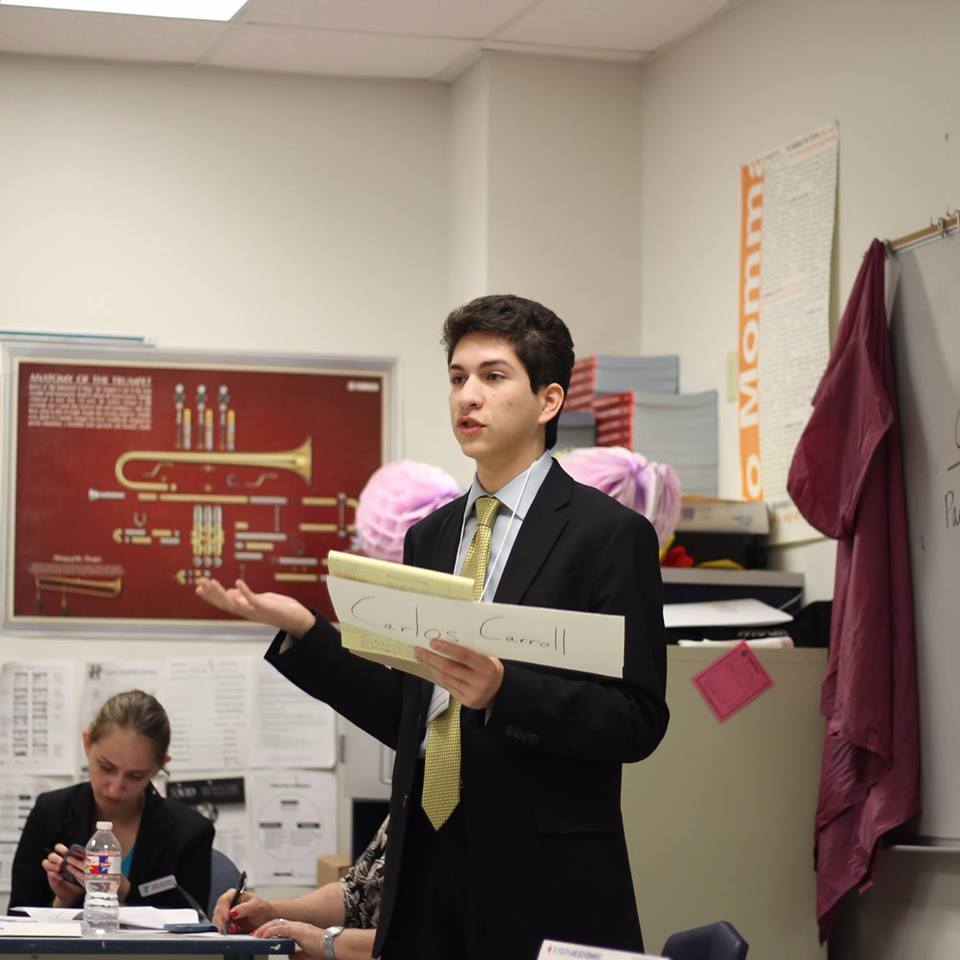
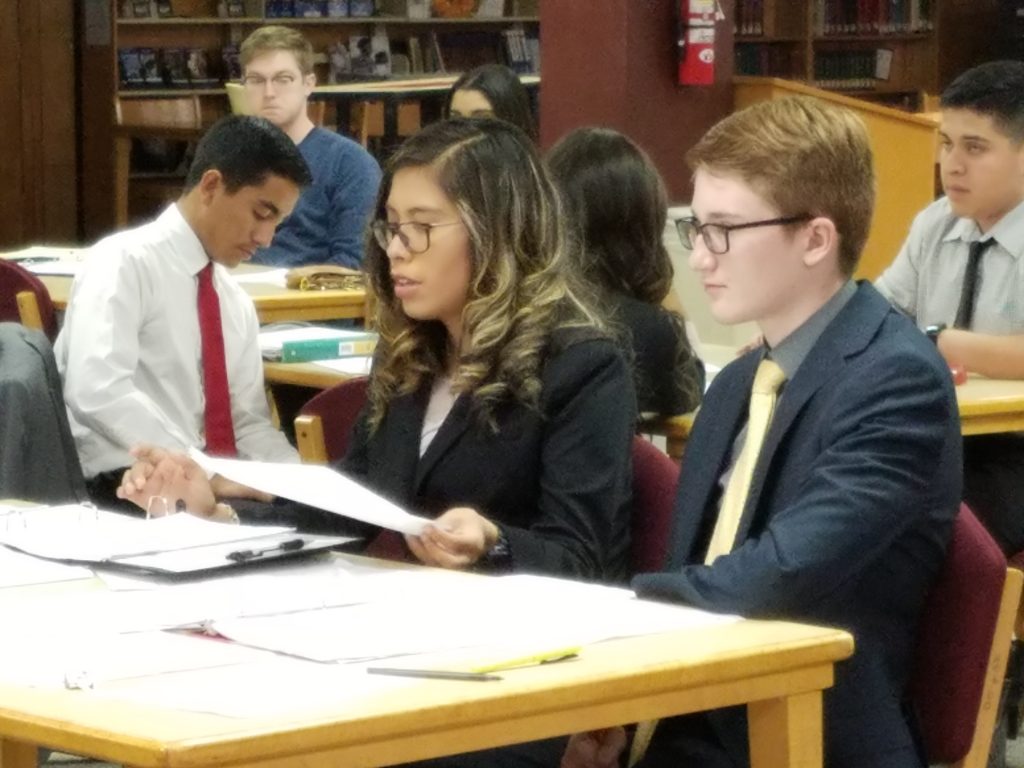
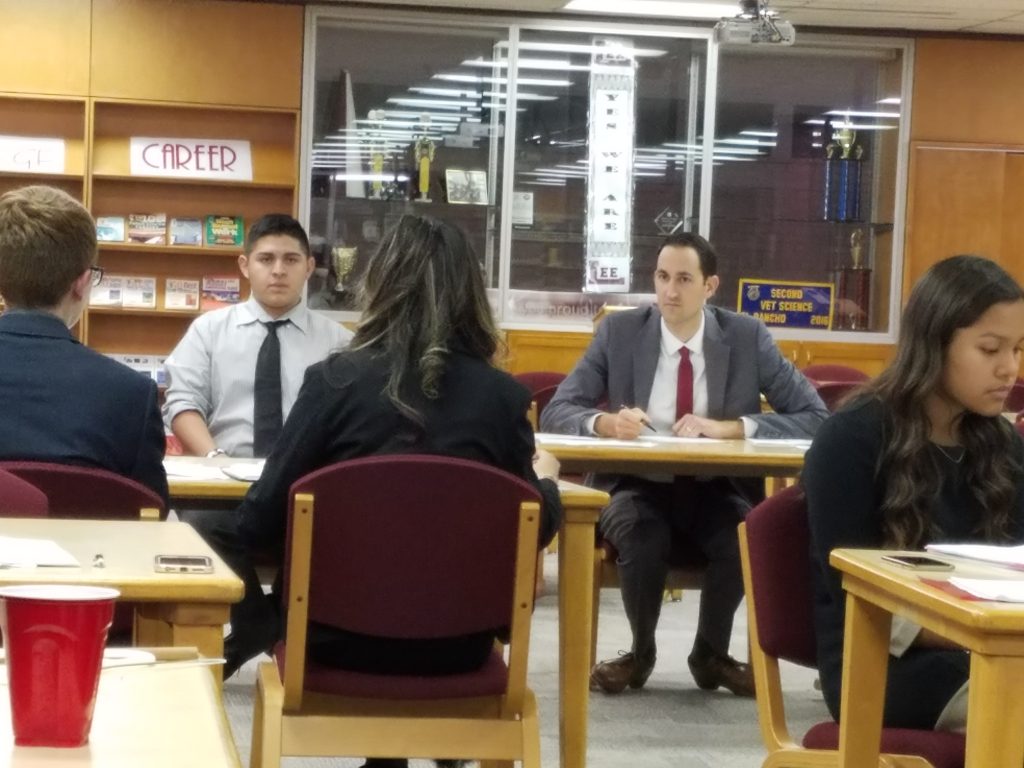
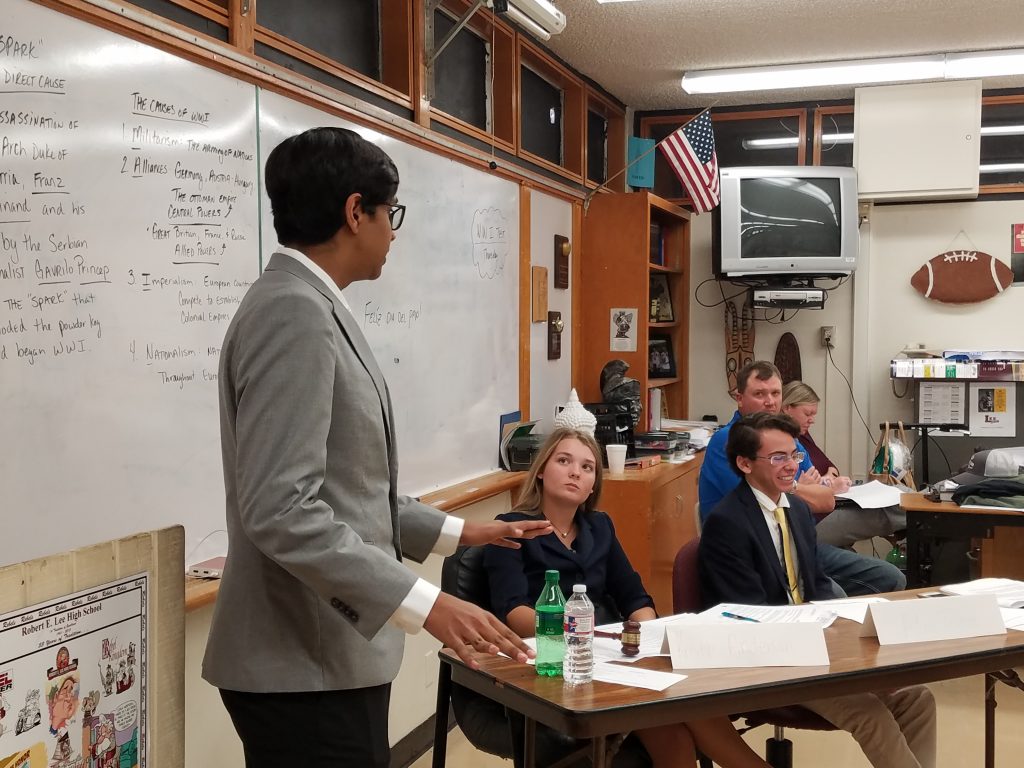
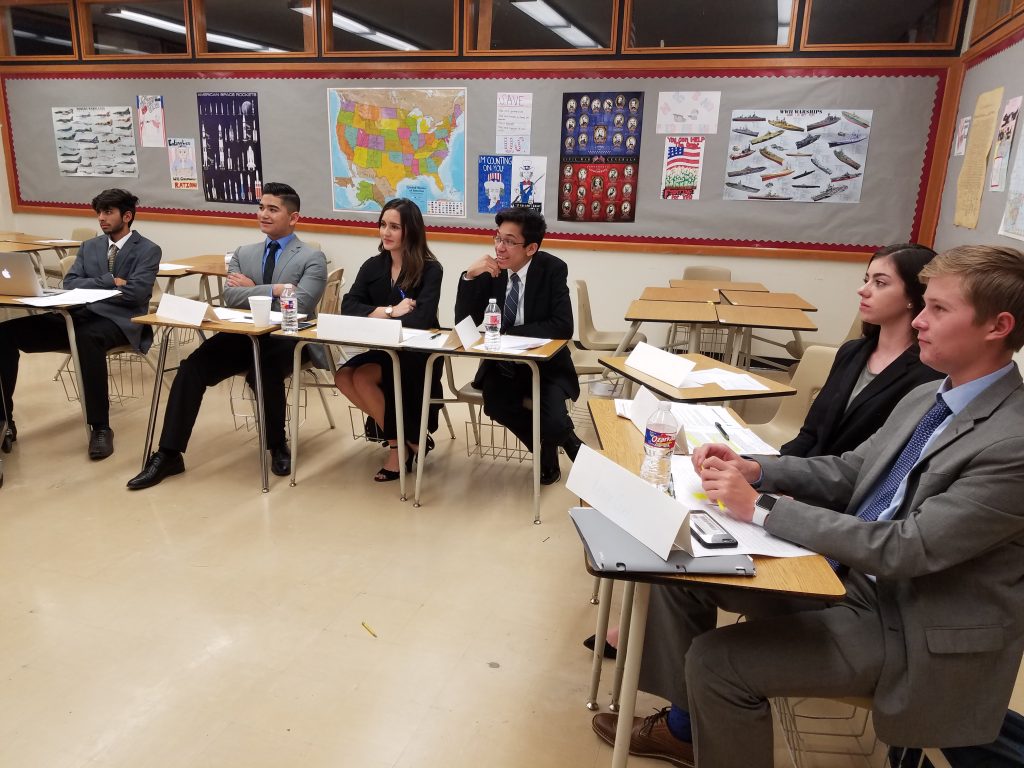
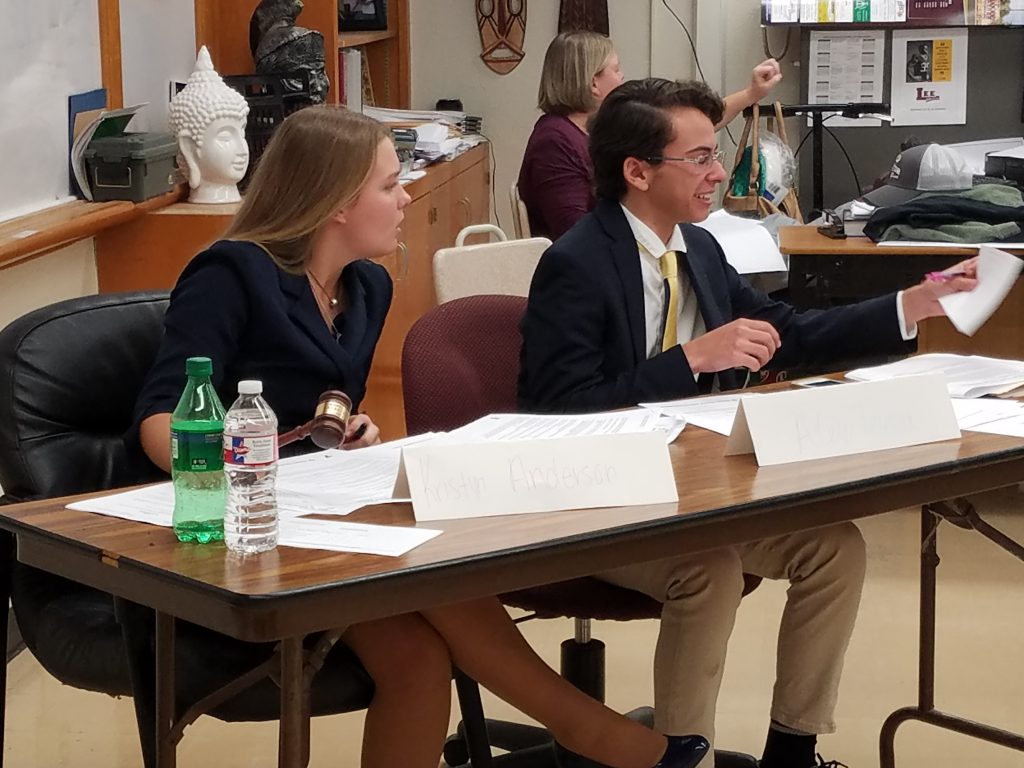
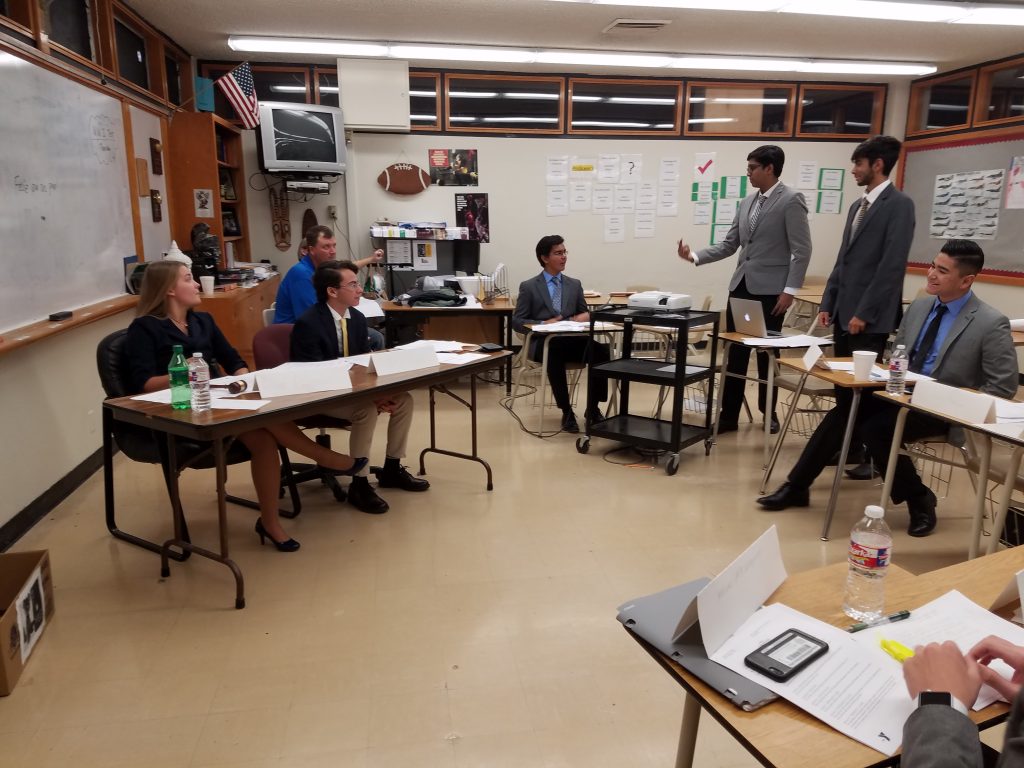
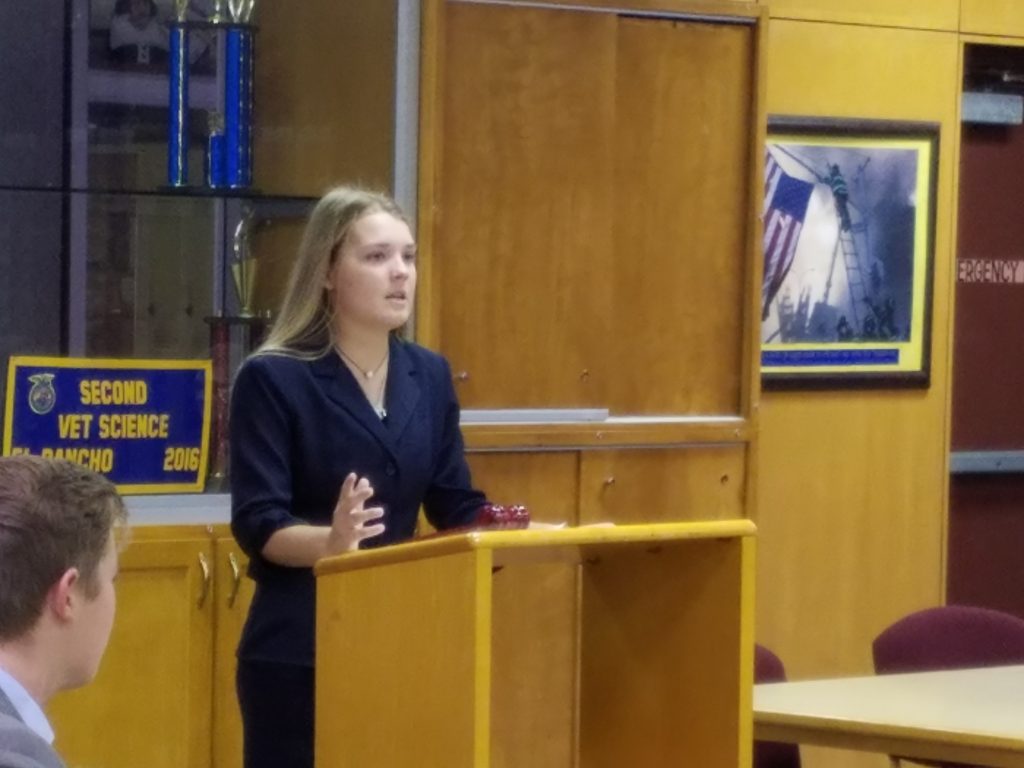
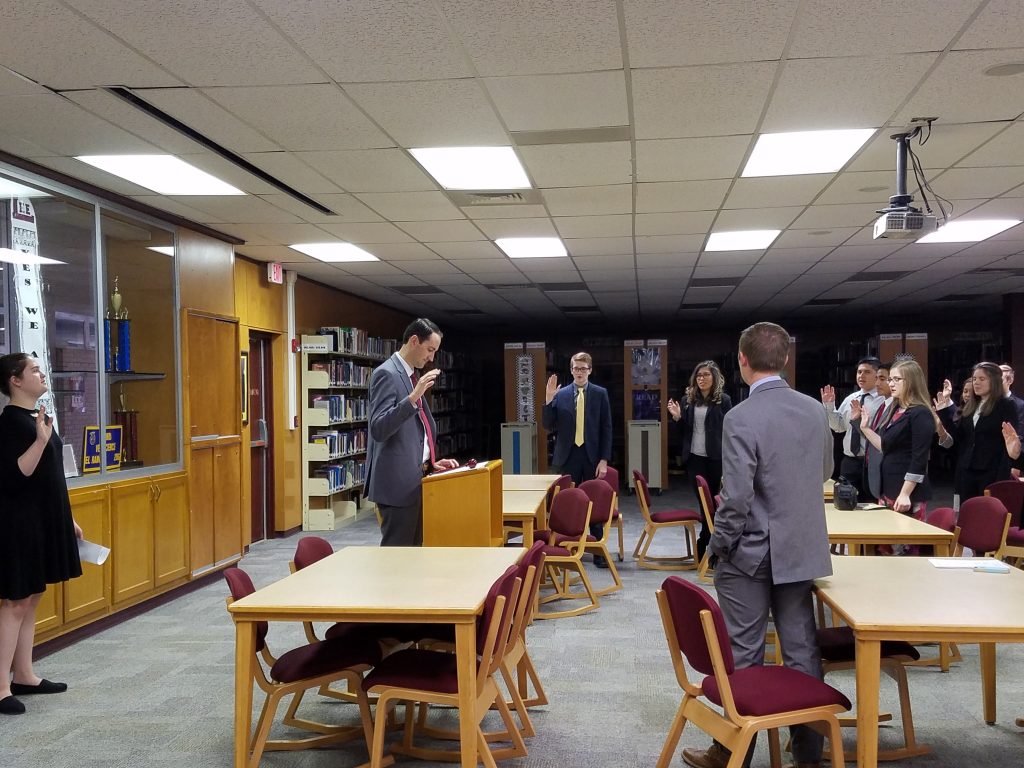
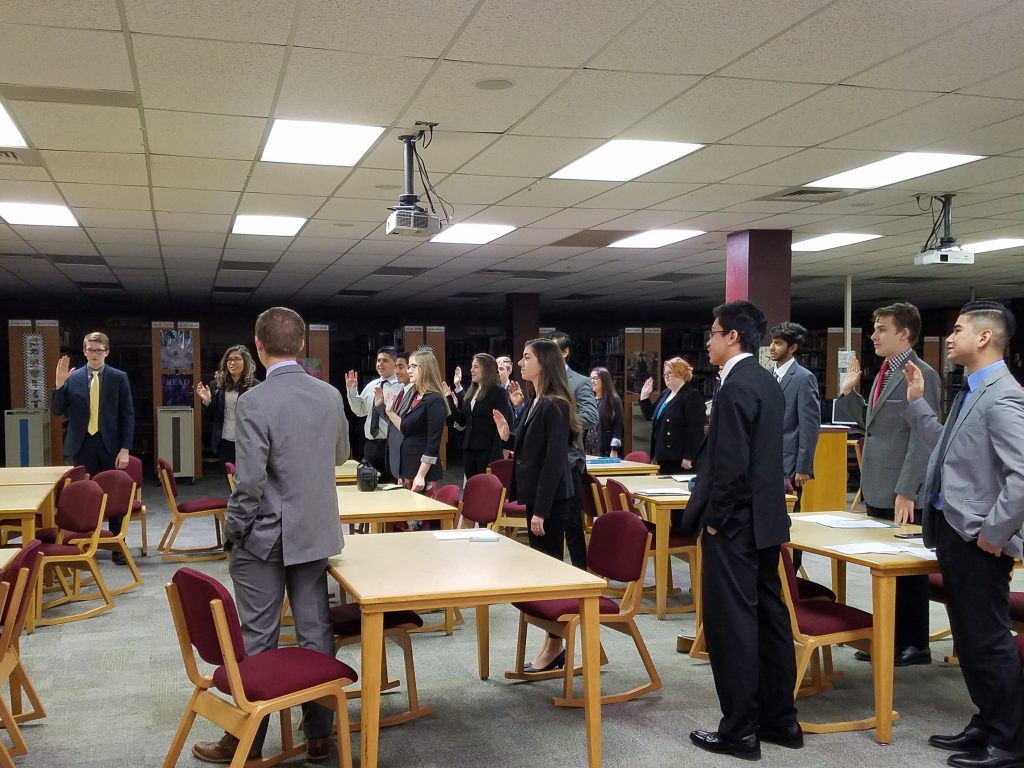
Congratulations to all our students, parents, club advisors, YMCA staff, and volunteers on a successful round of District Conferences!  Check out the image carousel below for pictures from our Austin, Dallas, Fort Worth, Houston, and Midland events.  Over 2,500 students participated in these November 11 and 18 competitions!

2018-05-31T07:22:29-05:00November 20th, 2017|Uncategorized|0 Comments

Animal Adoption

By: Aubrey Burgess

Jake Foster, an 11th grade delegate from Jack C. Hays High School, proposed an act relating to animal adoption procedures. The act would enforce background checks that will check for past and current illnesses, financial status, and past violence charges in order to protect the pet from harm. The bill was passed.

The Department of Animal Adoption in Austin, Texas, currently requires a photo ID, $75, and a visitor profile that requires a home address, phone number, and the amount of people in the family that is adopting the animal.

“Animals have done so much for us so we should help protect them through these background checks,” Foster said.

This is Foster’s first year in Youth & Government; he started because his teacher ran his school chapter and asked him to be on the Legislative team.

“I’ve never been one to do things outside of school,” said Foster, “so when I heard about Youth & Government I thought ‘wow, that sounds like a really good opportunity to do something new.’”

Foster decided to write his bill about animal adoption because animal welfare has always been a big passion of his.

“I think that the fact that animals face harm and cannot control that is really a shame,” he said.

The bill says that livestock and small animals like rodents are not required to follow this process.

“Small animals can be used for experiments and do not want to get in the way of scientific advancement,” Foster said.

According to the bill, “If any shelter or pet trader is found not following this procedure, they will be charged $2500.”

The bill would go into effect in the next business year to help the shelters adjust to the change. In addition, all laws that are conflicting with this bill will be repealed.

Ricky Rosario opposed the bill, saying “Therapeutic animals are needed by people with illnesses such as bipolar disorder and they will love and care for those animals just as much as others would.”

Foster responded saying, “if the bipolar person has a doctor tell them that they are well enough to get a pet they may.”


Jesse Williams (11) said that he is for this bill because it “makes sure that the animal lives a peaceful life.” Dylan Cousins said that this bill will help pets, “all arguments against it will be invalid.”


One amendment, stated by Julia Mendoza, 12, suggested that “line seven should be changed to domesticated animal adoptions.” Fosters agreed, saying that the clarification of the bill, changing the word “animal” to “domestic animals,” was helpful.


2018-05-31T07:22:29-05:00November 11th, 2017|Uncategorized|0 Comments

Confusion and Contentment with the 2017 Guidebook

By: Camille Pfister

With a new conference came a new schedule, school, and guide book. The 2017 District Youth & Government Conference was moved from Austin High School to Hays High School, and this move required a new guide book. This 26-page book was filled with the large scale schedule, room numbers, candidates for office, a roster, legislative bills, and state affairs proposals. Most sections received additional packets and papers.

Some delegates found this information confusing. “When I was looking at it I needed to find out where I could find where each person was for Judicial. It also would have been helpful if I could have known which room every person was in for legislative,” Rachel King, a sophomore at Dripping Springs High School, said.

Not all Youth and Government students found the book confusing, though. “I’ve been only looking at the Trial Court Schedule, just because we have to know what time we have to start our Mock Trial,” Crystal Romero, a junior at the Ann Richards School for Young Women Leaders High School, said. “I feel like

[the large packet] is a good thing because it allows everyone to be informed.”

According to some delegates, there is room for improvement. “Maybe they could have divided it up into sections, a separate book for each section… so that you could have everything you needed, everything organized, and geared to each person’s needs,” King said.

“I feel like this packet has everything you need… so honestly I don’t think I’d change anything,” Romero said.

2018-05-31T07:22:29-05:00November 11th, 2017|Uncategorized|0 Comments

The Trials and Tribulations of Tampon Taxation

By: Camille Pfister

Kayla Frazier, a junior at Cedar Park High School student, proposed a bill to remove all taxes on feminine hygiene products. Ultimately the bill passed. According to “The ‘tampon tax,’ explained,” published by The Washington Post, 43 out of 50 states tax tampons and other feminine hygiene products. Currently, these products are taxed as luxury items, and people have since named this tax the ‘tampon tax’.

“It would be beneficial for all women if they didn’t have to pay that tax,” Frazier said. “That’s a price women shouldn’t have to pay.” More than fifteen percent of people in Texas live in poverty, but the average price of feminine products is seven dollars – without tax.

During this debate, students stood to voice their support or opposition to this bill, through their own perspectives and ideas. “I am for this bill because the tax does add up and I feel it is unfair that it should be taxed as a luxury product when we don’t have a choice in the matter,”  Ashleigh Mccoy, a senior Dripping Springs High School delegate who supports the bill, said.

However, Marsha Madrigal, a delegate from Box Tech High School in opposition of the bill, said “If it’s just one product I don’t think it’s going to make that big of a deal to put a tax on it.”

According to “Why ‘tampon tax’ outrage is misguided,” published by the Chicago Tribune, the ‘tampon tax’ helps billionaires more than it helps low income families. “When you strip taxes from tampons or groceries, you relieve not just poor students and families from paying them. You’re also giving a break to billionares,” said the article.

To help block the ‘tampon tax’, Change.org has created a petition to get rid of the tampon tax, which 66,514 people have signed; the movement has spread all over the country. According to “Tampon Taxes: Do Feminine Hygiene Products Deserve a Sales Tax Exemption?” published by Tax Foundation, tampons and other feminine hygiene products are taxed with a sales tax, which means they are not considered necessities. The debate is whether these products should be considered necessities or not. Frazier got the chance to defend her bill, and the debate went on.
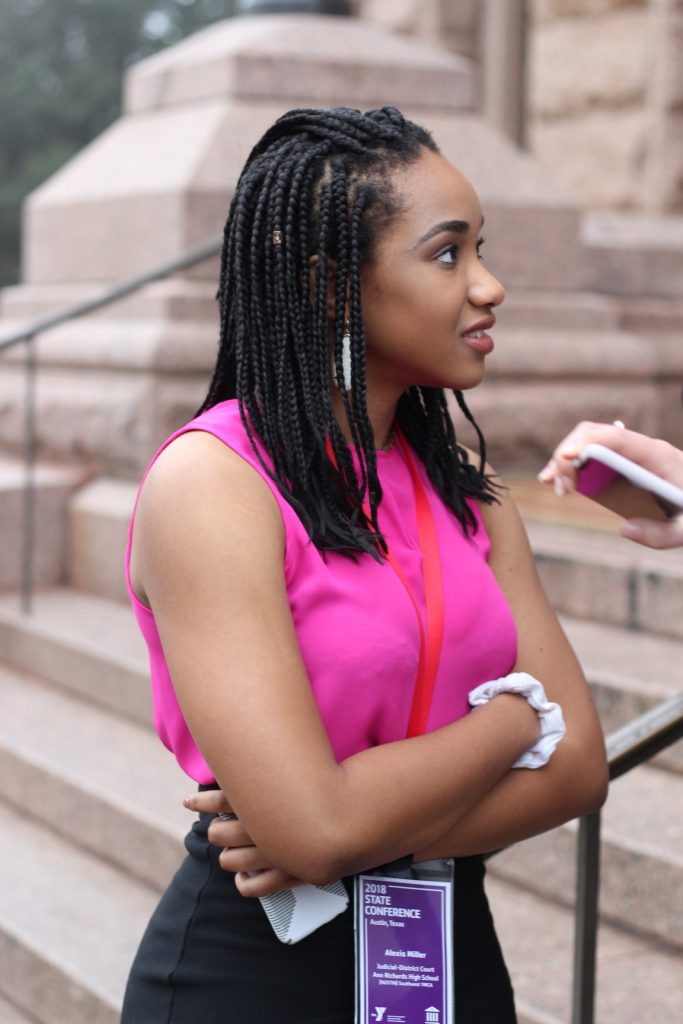
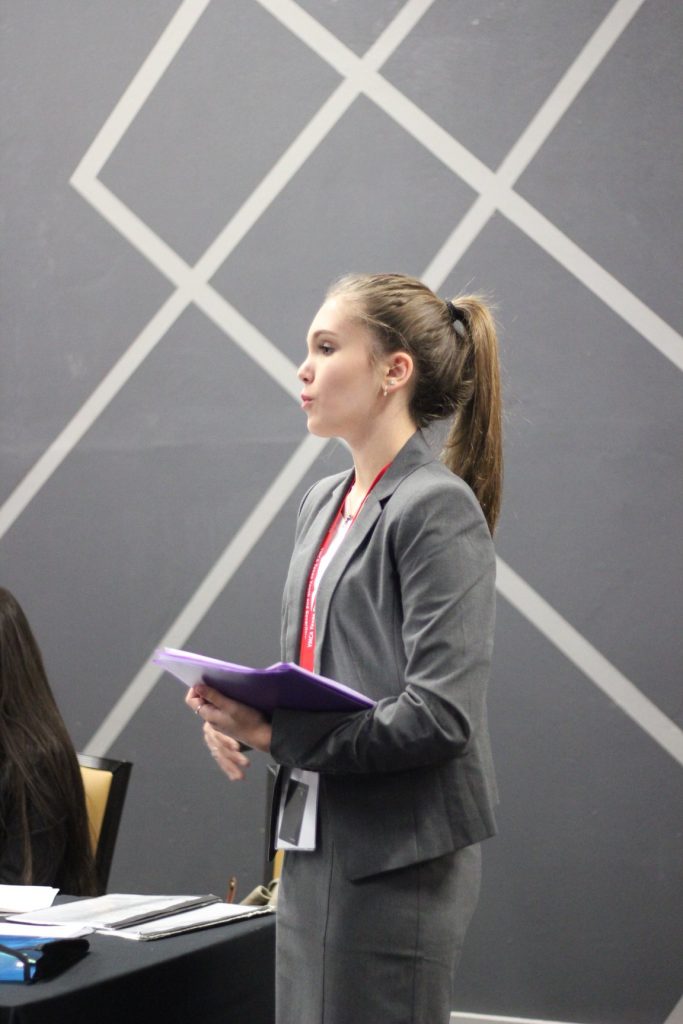
“It is a necessity, and I really … think, no matter your income, you shouldn’t have to pay it,” Frazier said. “You’re basically telling women these products are luxury, and they’re not,” Frazier said. “This affects women and lower income families … which is why I urge you to support this bill.”
2017-11-11T15:01:28-06:00November 11th, 2017|Uncategorized|0 Comments

The Service Dog Regulation Bill was Passed by the Legislation at the District Conference

By Athena McCloud

Texas Youth and Government legislation at the district conference passed the bill for the regulation of service animals by Deziree Guerra, Junior at Sam Houston High School.  

The bill was passed by the entire committee with only few revisions.

The bill would create a regulation that would require a person with a disability to purchase a patch for their service animal that shows they are approved by the ADA, Americans with Disabilities Act. This would be more rigorous regulation that would enhance the rules already in place for a handler to take the service animal into public facilities.

“I was trying to get my social security card because my mother had lost mine, and I noticed there were a few service animals in the building. And a couple of them were not acting to bar. Which made me question it and do more research into the topic.,” Said Guerra. “Imposter service animals must be stopped.”

According to the article “Fake Service Dogs: A shame .. And Crime,” a service animal is a dog or miniature horse that has completed special training so that they can assist their handler with actions they cannot do themselves.

The article “Emotional Support Animals Vs. Service Animals: The Facts” by Rita DiNunzio says that service animals are completely different from therapy or emotional support animals. They are appointed by a physician and are used to help with both physical and mental illnesses, but they do not have the same protection as a service dog.  

Additionally, it is starting to become common that individuals are making their dogs into imposters service animals. Which according to “Four-legged Imposters Give Service Dog Owner a Pause” by Lisa Napoli a fake service dog is easily recognized because of two basic facts. One that service dogs are highly trained individuals that are specifically trained to do certain activities for the owner. Second, their behavior – most imposters act wild and vicious.

Others want the rules to stay the same because they believe one should not have to justify why they have a service dog. Some feel uncomfortable sharing why they have a service dog because they feel they may be judged for disclaiming having a disability or illness.

“No one should need to justify their service dog,” said Doran Pedahzur, a Junior at the Ann Richards School.

Imposters are why Guerra decided to create a bill to help regulate service dogs. There are two main reasons why regulations on service animals will help those that actually need them. One reason is that these imposters are giving service dogs a bad name, according to the article by Napoli. The second reason is that these imposters are not trained to control their aggressive actions when around others.

For example in the article “These 19 states are cracking down on fake service dogs” by Michael Ollove, wrote about an experience that Chris Slavin, a handler of service animal had gone through. She was in an elevator when a lady walked in with her teacup poodle in her purse. The doors had closed when the poodle saw Slavin’s service dog, Earle and then the poodle jumped at Earle biting his snout. Making Earle bleed on to the floor and the woman lied saying that the poodle was her service dog, but soon after she admitted she just wanted to bring her into the building.

Although Guerra’s plan is to incorporate a patch to help regulate service animals, as the committee discussed the problems they brought up one fact. The badges can be copied and sold to those same imposters.


2018-05-31T07:22:29-05:00November 11th, 2017|Uncategorized|0 Comments
Go to Top