Volunteer with us Today!! We have various dates to choose from Jan 31st | Feb 1st | Feb 27th | Feb 28th | Mar 1st | Sign Up Today!

txyg

About TX YG

This author has not yet filled in any details.
So far TX YG has created 234 blog entries.

Behind the Camera, Inside the Experience: My YG State Trip Story
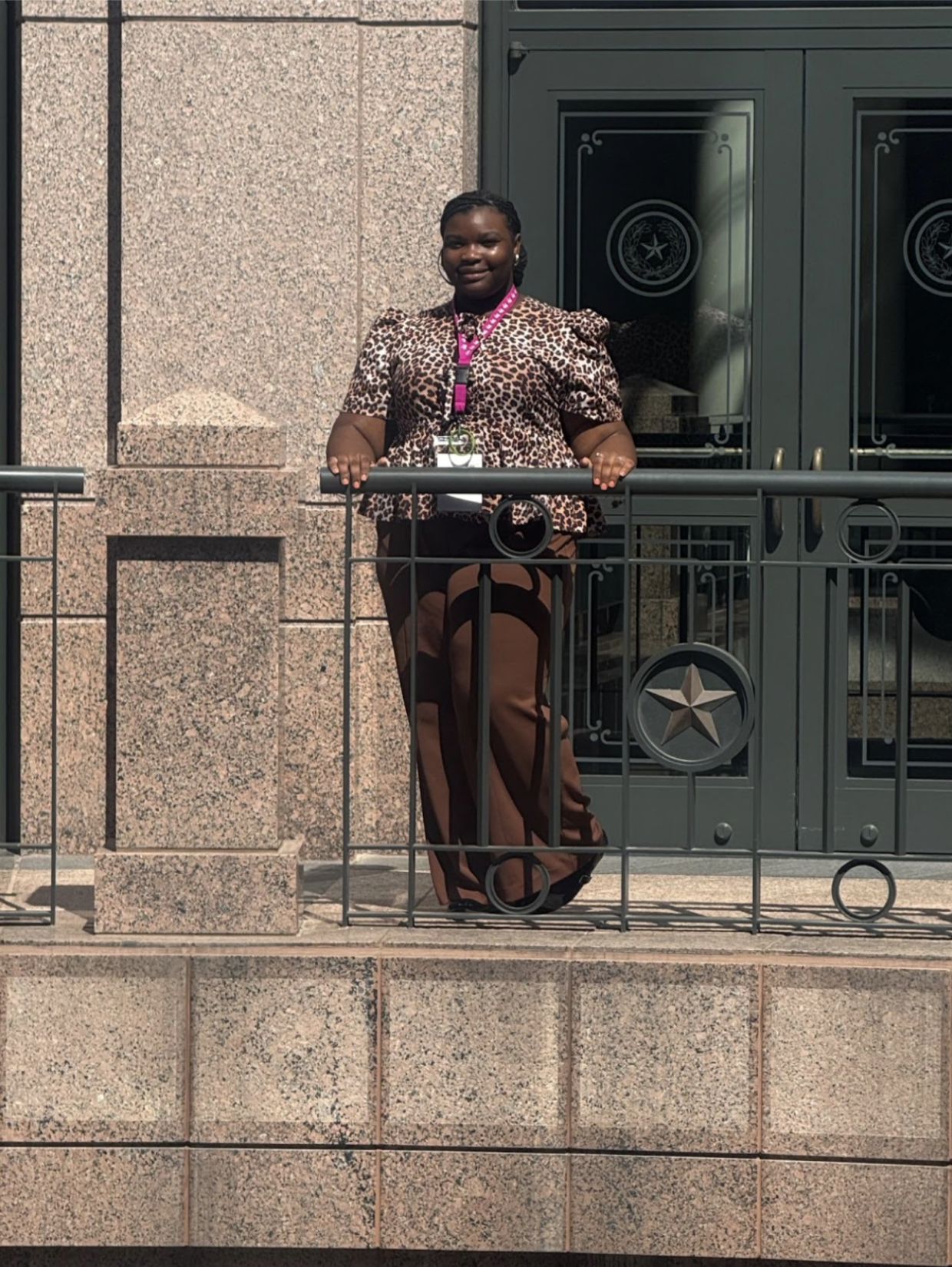
A senior’s final state trip capturing memories, stories, and everything in between.

This year’s Texas Youth and Government State Conference hit differently. Maybe it’s because I’m a senior now, or maybe it’s because I’ve finally found my place in the media section—but this trip felt like the perfect mix of nostalgia, excitement, and growth.

I joined Youth and Government two years ago mostly because my friends were doing it. I stayed because the media section turned out to be one of the most flexible, creative, and genuinely fun spaces I’ve ever been part of. You get to write, film, interview, edit—basically everything. It’s impossible to get bored.

This trip reminded me why I love it so much. I reconnected with people I hadn’t seen since last year’s conference and met new students from all over Texas. The diversity of the program always amazes me—so many different backgrounds, cultures, and perspectives all in one place. It pushes you to grow without even realizing it.

And of course, the locations didn’t disappoint. From the Kalahari’s chaotic energy to the quiet, powerful halls of the Texas State Capitol, every stop had its own vibe. Every moment felt like something worth capturing.

As a senior, I’m realizing how much this program has shaped me. It’s taught me how to communicate, how to collaborate, and how to step outside my comfort zone. If you’re an underclassman thinking about joining, do it. Seriously. The experience is unforgettable, and the skills you gain will follow you long after high school.

Charlie Alfred
2026-02-28T16:00:43-06:00February 28th, 2026|Uncategorized|0 Comments

We Can Be Heroes

By: Cora Howell

For the 2026 state conference, the theme of the dance, heroes, is one filled with ambiguity, leading it up to diverse interpretations. For some delegates, it’s the traditional masked superheroes that fly around cities rescuing people from super villains. For others, it represents powerful world leaders who serve as political aspirations. Or even, the strong quiet strength of those closest to us, our family. When four delegates, Mangai Snare, Lana Kamel, Isabella Galan, and Aishwarya Bharathram, were asked who they considered heroes, their answers reflected how powerful that word can be. 

When Isabella Galan was asked to reflect on who was a hero to her, she responded confidently with the character “All Might” from the anime My Hero Academia. In the anime, All Might serves as a superhero over a city in Japan, displaying characteristics of unwavering optimism and willpower all in the name of protecting others, using his famous catchphrase of “go plus ultra” whenever he goes past his limits. These characteristics of Isabella are exactly why All Might serves as a hero in her eyes. “All Might has inspired me a lot, especially on tests or events, he serves as a reminder to me that sometimes I’ve got to go plus ultra,” stated Isabella. 

Lana Kamel’s interpretation offers a view that shifts away from the traditional superhero to a character that shows great political leadership. Although she isn’t a superhero, the character Padme Amidala from the Star Wars prequels served as a queen and senator over the planet Naboo. Her character is largely attributed to her allegiance to democracy, intelligence, and care for others. “Padme Amidala serves as a motivation for attributes I hope to possess,” Lana said, “Her care for her citizens and sacrifices she makes in the name of democracy are incredibly powerful, demonstrating a powerful female figure in government.” 

While fictional characters possess qualities to strive for, oftentimes, the most powerful people in our lives are those who are the closest to us. For Mangai Snare, his biggest hero is his mother. “My mom is my biggest hero because she motivates me to try my best in everything I do, even when I feel like I can do absolutely nothing. She’s been my main supporter when I’ve been in school, and as I’m preparing to go to college, she’s still by my side.”

Similarly, Aishwarya finds her hero in her older brother. “My biggest hero is going to be my older brother. He gave up everything to pursue his passion for golf, and he’s worked really, really hard in the face of challenges, never giving up. He makes do with everything that he can. He is just really an inspiration, a person I want to be like.” 

From masked heroes in comic books to courageous political leaders to devoted family members, each delegate’s response reflects a different angle of heroism. The beauty of this year’s theme lies in its vague ambiguity, offering delegates the interpretation of hero to anyone we find inspirational. A hero doesn’t need a cape, title, or fame, as these delegates remind us, a hero is someone who encourages us to be braver, kinder, and our best selves.

2026-02-28T15:27:08-06:00February 28th, 2026|Uncategorized|0 Comments

How a Bill is Born: How YG Delegates Turn Ideas Into Legislation

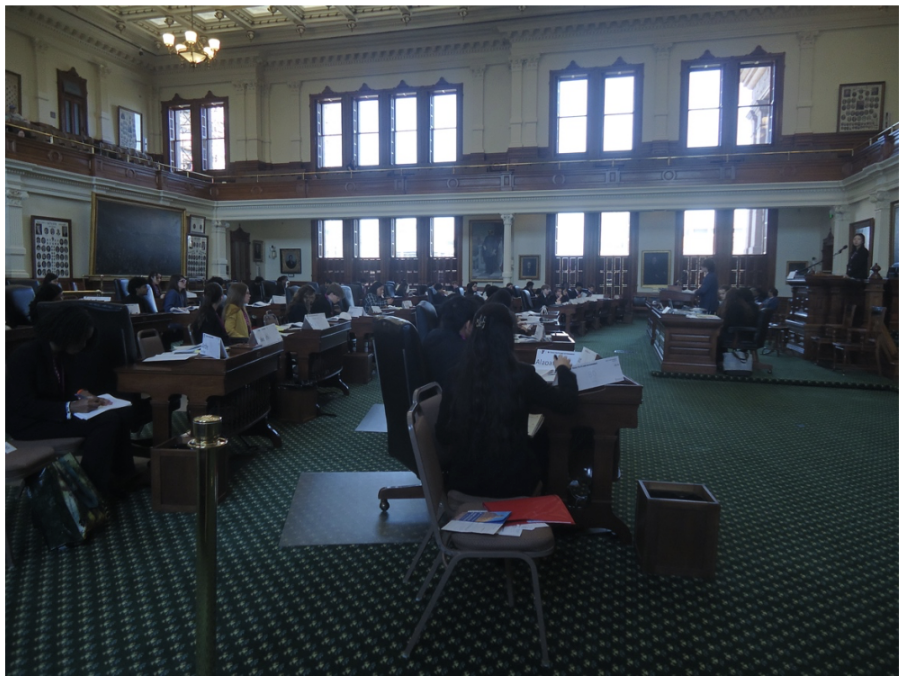
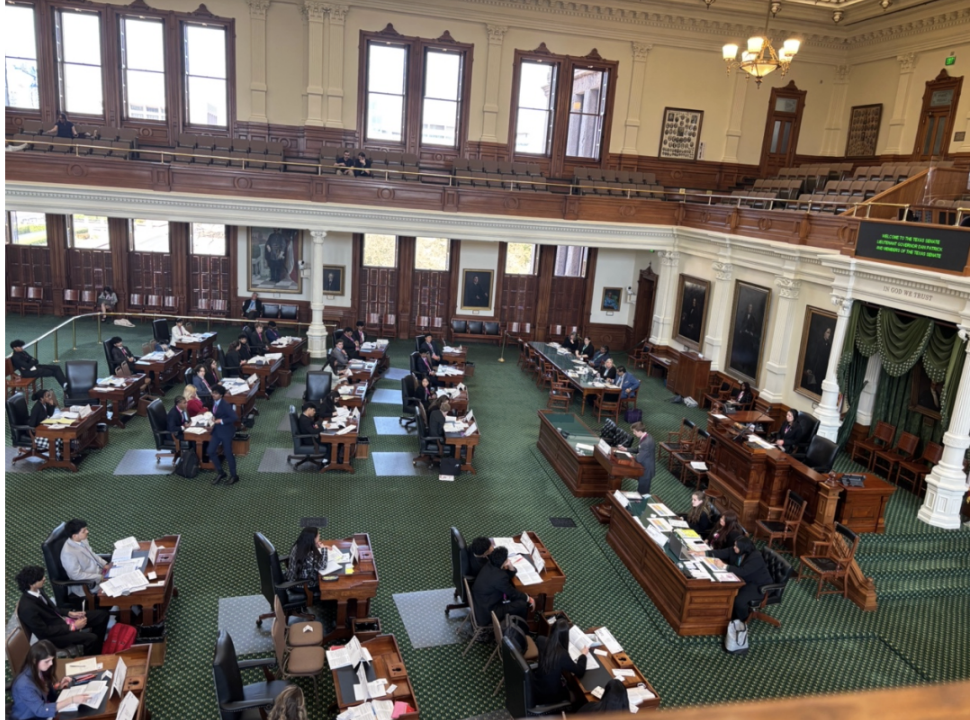
From the grand Texas sunset red granite walls, geometric marble floors, towering ceilings, and chambers filled with strict procedures, one would feel intimidated by the Texas State Capitol. However, inside the Capitol today, YG Legislative delegates are prepped and ready to argue their bills to their fullest. But then the question arises, where did this proposal come from, and the answer is easy: a simple thought.

For some, inspiration comes from real-world issues they’ve witnessed firsthand. Bills like SB 24, protecting student journalists, grow out of personal experiences. For others, it’s from noticing issues in their communities, like HB 60, which declares an emergency on feral hog hunting and institutes a subsidy program for them. Some bills are born from curiosity, like HHB 70 explores alkaline hydrolysis as an alternative to cremation, while others aim to protect consumers, like HB 1, which requires companies to notify customers before automatic recurring charges. As one experienced delegate put it, “You can choose anything you want, but you’re typically going to see more serious issues make it to the floor debate.”

Even with this wide range of creativity, delegates still work within Youth & Government’s banned-topic list. This year, topics like gender identity, THC, DEI, medical mandates, and the Second Amendment were off limits, which shapes the boundaries of what delegates could look into.

For many delegates, new and experienced, the real challenge is figuring out what to argue in the first place. One Legislative student explained, “I couldn’t even think of an idea. It was my first time in YG, and there were so many topics and fields. I had no clue where to start. I was shy, and it was hard to ask seniors for help.” Another delegate said the choice depends on the person: “If you’re doing it for fun, go all the way with a silly bill. But a lot of people choose to write about things they’re truly passionate about or have lived through.”

The delegates also mentioned how surprising it was how formal Legislative actually is. “There’s so much etiquette,” one student said. “If you forget to say your name or delegation, someone WILL call you out immediately. It’s rough at first, but you learn the rhythm.” This formality becomes even challenging when paired with “fun bills.” “It’s hilarious discussing a silly bill in such a serious, rigid format,” she continued. “The contrast makes the whole experience even better.”

Once an idea becomes a bill, the real trial begins. Delegates described the experience as absolutely nerve-wracking, unpredictable, and exhilarating. “It’s a lot of on‐the‐fly thinking,” one delegate said. “You have to answer questions confidently, even when you’re terrified. But it’s thrilling! I enjoy the fast pace, the unpredictability, and the adrenaline.”

Another delegate compared it to other sections: “In appellate or mock trial, you know the story. But in Legislative, anything can happen. You just have to move with the waves.”

When asked whether the delegates can predict the questions they’ll get, one legislative kid laughed: “If you knew what people were going to ask, you’d put it in your bill. Most questions are curveballs.”

“Being in Leg is such a good learning experience,” one delegate said. “It showed me so many gaps in my bill, and I found a lot of benefit from the big family around me.”

From serious policy proposals to creative experimentations, every bill debated today represents a student who cared enough to turn an idea into something real. And in the chambers of the Texas Capitol, those ideas gain the opportunity to become part of something larger: a space where young people learn how democracy works by doing it themselves.

Natalie Ortiz

2026-02-28T15:19:00-06:00February 28th, 2026|Uncategorized|0 Comments

Water, Games and Adventure

Austin, TX- If you’re in town for the Texas Youth and Government State Conference and staying at Kalahari Resorts & Conventions, you’re in for a full day lineup of excitement right inside the resort.

The resort boasts one of America’s largest indoor water parks, stretching 223,000 square feet and packed with thrilling slides, splash areas and pools for every age. Guests can ride tube slides like the Wild Wildebeest and Zig Zag Zebra, float along the lazy river, catch waves in the zero-depth wave pool, or relax in family pools and splash zones. The massive indoor space allows visitors to enjoy the attractions year-round, making it a popular highlight for conference attendees looking to unwind after sessions.

“The water park has something for everyone, from intense slides to areas perfect for chilling in the water,” said one visitor.

In addition to the indoor water attractions, the Summer Savannah Outdoor Waterpark opens seasonally with adventure rivers, shallow pools for younger children and outdoor lounge spaces, ideal for sunny afternoons during summer visits. With cabanas and open deck seating, it provides a resort-style atmosphere just steps from guest rooms and conference spaces.

When you want a break from getting wet, Tom Foolery’s Adventure Park delivers dry time fun under one roof. This 80,000-square-foot indoor adventure park offers more than 250 arcade games, a multi-level ropes course, climbing wall, zip line, laser tag arena, bowling lanes, and mini golf. The park gives delegates a chance to compete with friends, win prizes and stay active without ever leaving the property.
“Tom Foolerys made our stay unforgettable,” said another guest. “Even after a long day of conference sessions, we still had tons of energy to burn.”

Whether racing down slides or challenging friends in the arcade, Kalahari’s attractions offer memorable entertainment just steps away from the conference.

Blog By: Madison T., Glenda Dawson HS

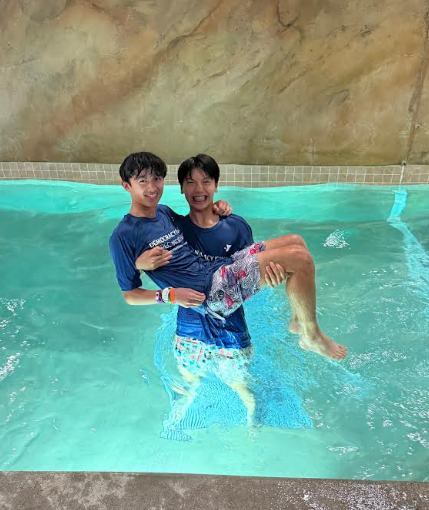
Texas YG Delegates enjoying Kalahari’s water park after a long day of competing

Texas YG Delegates enjoying Kalahari’s water park after a long day of competing

Blog By: Madison T., Glenda Dawson HS

2026-02-28T15:18:49-06:00February 28th, 2026|Uncategorized|0 Comments

The War on Air: proposed Senate Bill Confronts Sale of Near-Empty Chip Bags

by: Malcolm Hodge

Glenda Dawson High School

Think back on the last time you bought a bag of chips. Were you surprised by how few chips were actually in the package? Were you upset at the fact that the bag was mostly air? Or did you simply start eating, emotionally resigned to universally misleading chip packaging? Senate delegate Jacob Buchanan (District 4) decided to do something about it with Senate Bill No. 10, a bill that required pre-packaged, bagged food to be filled with at least 70% product.

But what if these food manufacturers had a good reason? As stated by Food Republic, the extraneous air is known by chip companies as “slack fill”, a pre-determined amount of air that cushions the chips from spoiling and being crushed during the transport process. To keep the chips fresh, most companies use nitrogen, a gas that doesn’t react with the contents of most food.

According to Pneumatech, the process of filling chip bags with nitrogen is no different than resealing them; we’re all trying to protect the chips from going stale, an outcome that no one wants. But the amount of nitrogen necessary for this process is still up for debate. Buchanan argues that at least 70% of the volume of the bag must be food; he attempted to rally his fellow delegates in supporting this regulation on the Senate floor: “This is a common-sense bill, and what we’re dealing with right now is a scam.”

Other delegates protested inconsistencies in SB 10’s provisions, including its failure to consider that this increase in product-per-package would give food corporations an excuse to raise prices significantly. One delegate in particular spoke passionately about the bill’s potential to counteractively increase corporate greed. In her words, “Sure, we may have more of said product, but there is a greater price to pay.”

HB 10 saw multiple amendment proposals, including one that protects agencies that need sufficient air in their packaging to protect the food’s safety. This amendment saw significant pushback, as some delegates feared that corporations would use it as a loophole to bypass the purpose of the existing bill.

After three fervent pairs of pro/con speakers, consensus on SB 10 was so divided that the bill went to a standing vote. SB 10—or the “chip bill”, as referred to by the Governor’s Cabinet—did not pass in the Senate, but its long-winded debate was the ultimate testament to the importance of youth advocacy. The Senate delegates showed their skill in respectfully, yet tactfully, discussing topics that they care about. Buchanan closed with an impassioned universal statement: “a free market only functions when consumers have accurate information…Texas stands for transparency, fairness, and consumer trust.”

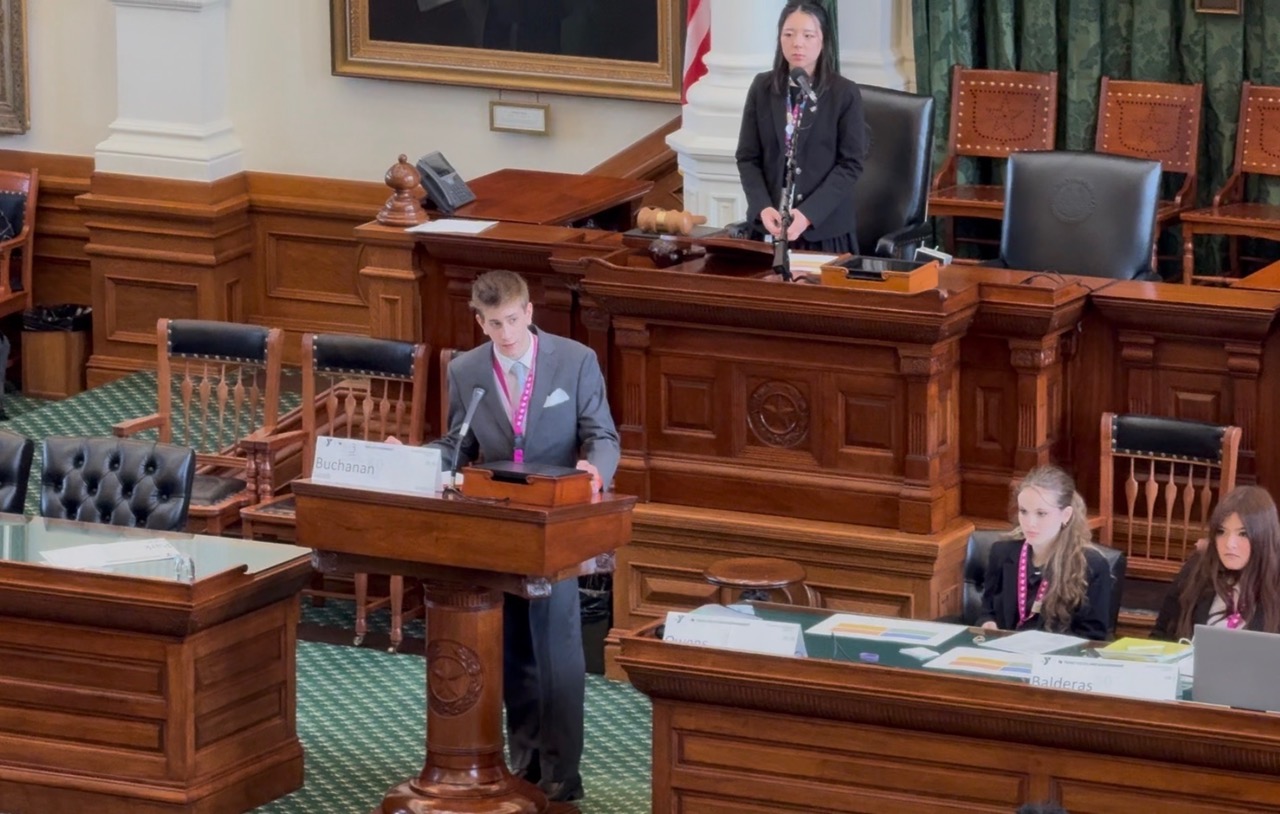
Senate delegate Buchanan defending Senate Bill 10 on the Texas Senate floor

2026-02-28T14:57:08-06:00February 28th, 2026|Uncategorized|0 Comments

Day By Day at Youth and Government State Conference

Calendar for the month of february


By Kimberly Damian
Bob Hope High School


Today I shall be writing about our adventures since we arrived in Austin. This city seemed full of the moment our bus rolled in. 


On Thursday, we arrived at the lively Kalahari Resort and Convention Center. This immediately became our headquarters for leadership and little sleep. After settling in, we had our delegation meeting with all the people in Districts 3 and 10. They playfully named us “District 13,” and this made everyone in the room laugh. After this, we had our section meeting and learned about our assignments, how many we had to do, and when they had to be done. We learned about the bare minimum we had to do. Every section had its own focus, and this made everything exciting because we knew we had different roles and responsibilities. 


At 2 PM, the ceremony to open began. There was so much energy in the room as the candidates gave impassioned speeches while campaigning for governor. Their speeches were about leadership, change, and how they could represent us well. I think I already know who I will be voting for, but that is still a secret for now. After that, we had dinner at 5 PM, followed by free time from 6 to 9:30 PM. By 7 PM, we were finally able to get our assigned rooms. At 10 PM, curfew began, and suddenly the hallways that were filled with energy were quiet. 


On Friday morning, we had to wake up early because the bus was leaving at 8:15 AM. We had to be downstairs by 7:45 AM. It was time for the first committee round. In my opinion, everyone did an amazing job. Everyone presented their topic confidently and was incredibly passionate about what they had written and researched. 


For SAF, lunch was at 12 PM. We had what looked like a Chipotle burrito. After a full day of sessions, we got back to the hotel at 3 PM. Dinner was at 5 PM. Free time was at 5:30 PM. This meant that water park time was upon us. We all ran to the elevators and went down as quickly as possible. The water park was a celebration of surviving committee rounds. 


After 10 PM, we were no longer allowed to go up and down the elevators, so we decided to go back upstairs at 10:30 PM, as our curfew was set for 11 PM, and we were already quite exhausted. Although we were already quite tired, this is our seniors’ last year, so we made every minute count, even as we walked around, made loud noises, and stretched our time as much as we could. 


Today is our last full day, and we will be going to the Texas State Capitol for a Governor’s Rally. Lunch will be from 12:10 to 1:00 PM, and then we will go back to the hotel, followed by the closing ceremony at 6 PM. Free time is also planned for 7:15 PM, but from 9 to 11 PM, we cannot go upstairs because it is going to be a dance party, and at 11:30 PM, we will have to go home, so it is curfew time. 


As the trip is coming to an end, it seems that we are not just going home with our luggage but also with the memories, friendships, and moments that will play in our minds even when Austin disappears out of the windows of the bus.

2026-02-28T14:54:10-06:00February 28th, 2026|Uncategorized|0 Comments

Legislative Senate Chamber: Senate Bills Passed and Denied

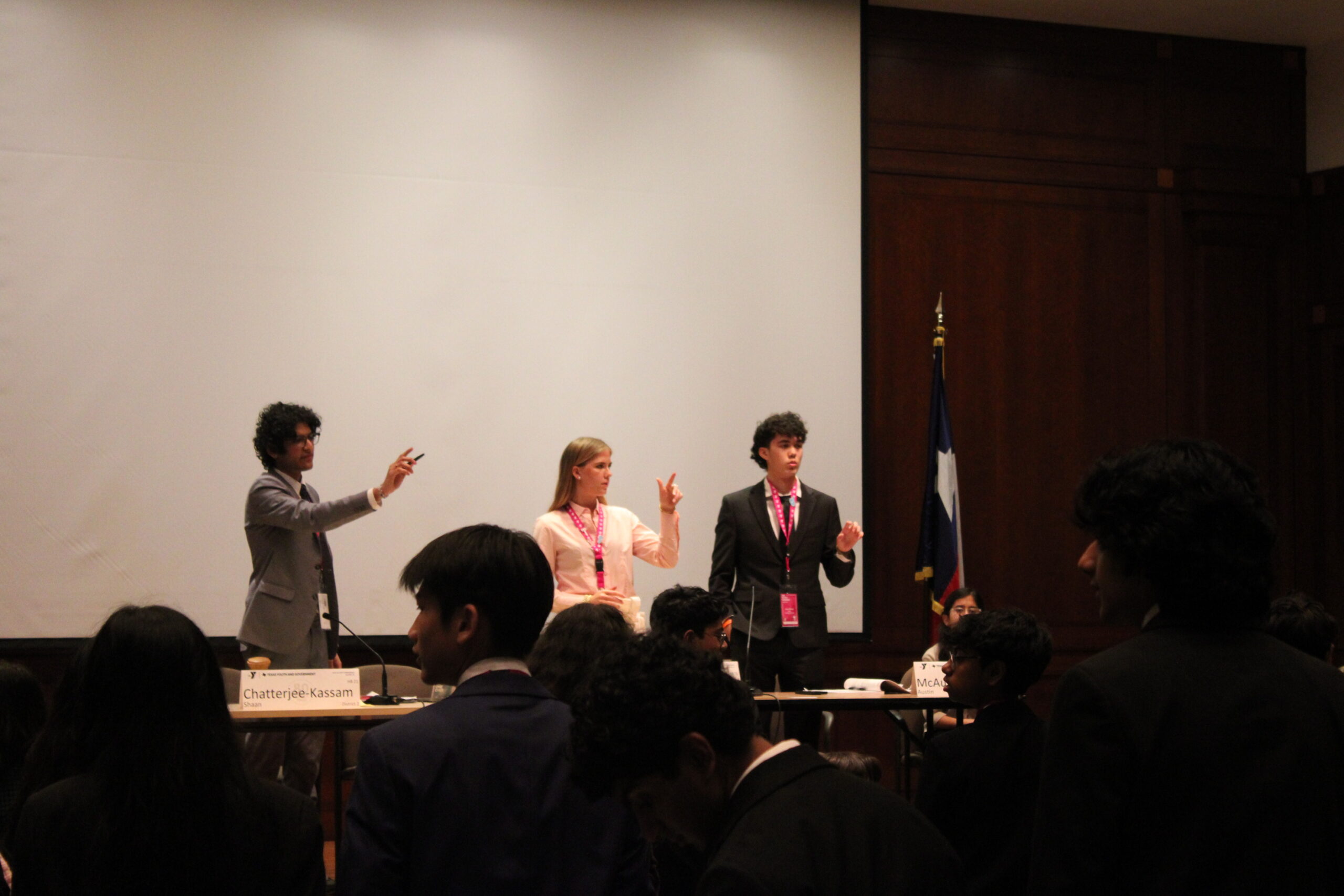
Austin, TX—The debate involved debates on several bills, including House Bill 60, Senate Bill 45, and another bill. House Bill 60, sponsored by Delegate Kennedy, proposes incentivizing hunters to control invasive feral hogs, citing economic benefits and environmental improvements. Opponents, like Delegate Torres, raised concerns about the environmental impact and sustainability of disposing of 4 billion hog bodies. The bill was not passed.

Senate Bill 45, sponsored by Delegate Camaro, aims to regulate K-5 classrooms to improve student academic performance, citing research from the University of Salford and others. The bill includes state funding for repainting schools with lead-free paint, estimated at $30 million. The debate focused on an amendment to Senate Bill 45 that would require 50% of classroom walls to remain uncovered. Hunter proposed the amendment to ensure compliance and ease enforcement. Delegate Cerseior opposed, arguing it infringes on teachers’ decoration rights. The amendment failed to pass. A second amendment allowing alternative claiming color palettes was proposed by Delegate Gilbert, supported by Delegate Speaker 6, who argued it addresses the bill’s rigidity and promotes flexibility. Despite opposition highlighting potential issues with paint longevity and funding allocation, the amendment also failed to pass. The debate emphasized the importance of the classroom environment on student focus and attentiveness. With some delegates arguing for flexibility and others for uniformity. The bill was not passed.

The next debate discussed amendments to a bill requiring a 70% product-to-container volume ratio and airflow protection during transportation. The First Amendment, supported by a majority vote, protects manufacturers from lawsuits and ensures product integrity. The second amendment, rejected by majority vote, introduced a 30-day grace period for first-time violations before penalties apply. The bill aims to prevent deceptive packaging practices by mandating a minimum product content. Proponents argued it promotes transparency and consumer trust, while opponents raised concerns about enforcement, potential price increases, and the impact on small businesses. The bill was not passed.

Caption: Senate Chamber debate

Caption: Senate Chamber debate

Blog by: Alaurya S., Glenda Dawson High School

2026-02-28T14:51:07-06:00February 28th, 2026|Uncategorized|0 Comments

From Delegates to Leaders

Bob Hope High School YAG seniors

As the final Youth & Government conference comes to an end, every senior feels the weight of what this moment truly means. For all of them, YAG was never just a program; it was a community that shaped them in ways they only now realize. Conference wasn’t simply about debating proposals, giving speeches, or writing stories. It was about experiencing long days that somehow still felt too short, sharing laughs on the way to committee, and staying up way past midnight practicing lines and finishing tasks that would soon become memories. Together, the senior delegates watched each other grow, not just academically or intellectually, but emotionally and personally. They witnessed friends transform from shy beginners into confident speakers, thoughtful leaders, and compassionate delegates.

For the seniors, leaving is bittersweet. There is joy in how far they’ve come, but sadness in knowing this chapter is closing. What they gained in this program is confidence, courage, leadership, and resilience, which will follow them long after high school. They discovered how to work as a team, how to lift each other up, and how to keep going even when a mistake happens or a speech doesn’t result perfectly. These experiences have shaped who they are now, and who they will be in the years ahead. Although none of the seniors will be back next year, we know the program will live on through the delegates who follow. The underclassmen will step up, write stronger proposals, chair committees, lead clubs, and carry forward the same spirit that guided those before them. And as the seniors step into the next phase of their lives, they will take every skill and every lesson YAG gave them. Youth & Government will be missed deeply by the seniors, but they’ll be leaving proud, grateful, and forever changed.

2026-02-28T14:34:28-06:00February 28th, 2026|Uncategorized|0 Comments

The Birds Fast: How Islam has Grown Within the West

The Birds Fast: How Islam has Grown Within the West

By: Mercy Otieno

James W. Martin Highschool

Ramadan, the ninth month of the Islamic calendar, is one full of fasting and prayer. This year, the State Conference lies within its 30 days, so Muslim delegates are able to decide whether or not they want to fast.

Common exceptions for not deciding to fast include: women who are breastfeeding, pregnant, or on their menstrual cycle; children who have not yet begun puberty; individuals with health concerns; and those who are traveling. However, those who choose not to are expected to make up the days they missed before the next Ramadan.

“I’ve made the decision not to fast for the conference because there is constantly so much going on and so much movement, and I wanted my complete and entire focus to be on maintaining my energy for debate,” Muslim delegate Lana Kamel said.

Historically, a majority of women unable to fast often hide the fact that they are eating from others, especially men. However, in 2026, women are beginning to feel less ashamed of their womanhood.

“There are so many women that are actually overcoming that and are choosing to, kind of just be themselves and be the Muslims that they are without letting anybody interfere with that,” Kamel said. “Not fasting does not mean that you are not Muslim; it just means that you are under a different set of circumstances, and the circumstances are always completely valid. And so that applies to traveling, like on this conference, and to Muslims everywhere who are in just different stages of life.”

Even those who aren’t Muslim and don’t participate in Ramadan often feel badly about eating in front of others in an attempt to not be “disrespectful.”

“No, [eating] is nothing to be ashamed of,” Muslim delegate Emma Jusic said. “Fasting is about resisting temptation. You have to resist food, even if, like, people around you are eating.”

Non-Muslims are also scared to ask questions and therefore make untrue assumptions about the festivity, due to a fear of being overbearing. However, unless inspired by crude intentions, there is nothing wrong with making the decision to be informed.

“I don’t think I’ve ever felt triggered by a question about Ramadan, because I think that if people are curious enough to ask, then it’s more of a sympathetic thing,” Kamel said. “It’s more of a, like, true curiosity than just, like, someone being uninformed, and so I’m always happy to explain that, ‘Yes, it’s even water.’”

At Iftar, the meal at sunset to break the fast, Muslim families have their own traditions, or order as to how they do so, typically drinking water and eating dates.

“Dates are a really big part of our culture and our heritage, and so that’s always been kind of the tradition, and it goes back to, like, the origins of Ramadan. That’s how people broke their fasts [in the past],” Kamel said.

However, Ramadan in its entirety is not about fasting. It’s also about community.

“There are so many communities, especially in Texas, of just, like, the diaspora coming together to have Iftar together,” Kamel said. “[When she began fasting] my parents would do something they called ‘the birds fast.’ So I wouldn’t eat until maybe 3 o’clock, and then when I got hungry, they would make my little meal, and then I’d finish off the day fasting with them.”

Post-COVID, businesses have worked more toward being inclusive of their Muslim consumers, especially with the number of emerging Arab cafés.

“I work at a Muslim-owned coffee shop, and they open at night for their Muslim and Arab community,” Kamel said. “[Overall], this just kind of represents the growth of the Muslim community in DFW over the last decade or so.”


2026-02-28T14:25:32-06:00February 28th, 2026|Uncategorized|0 Comments

The Weight of “All Rise”

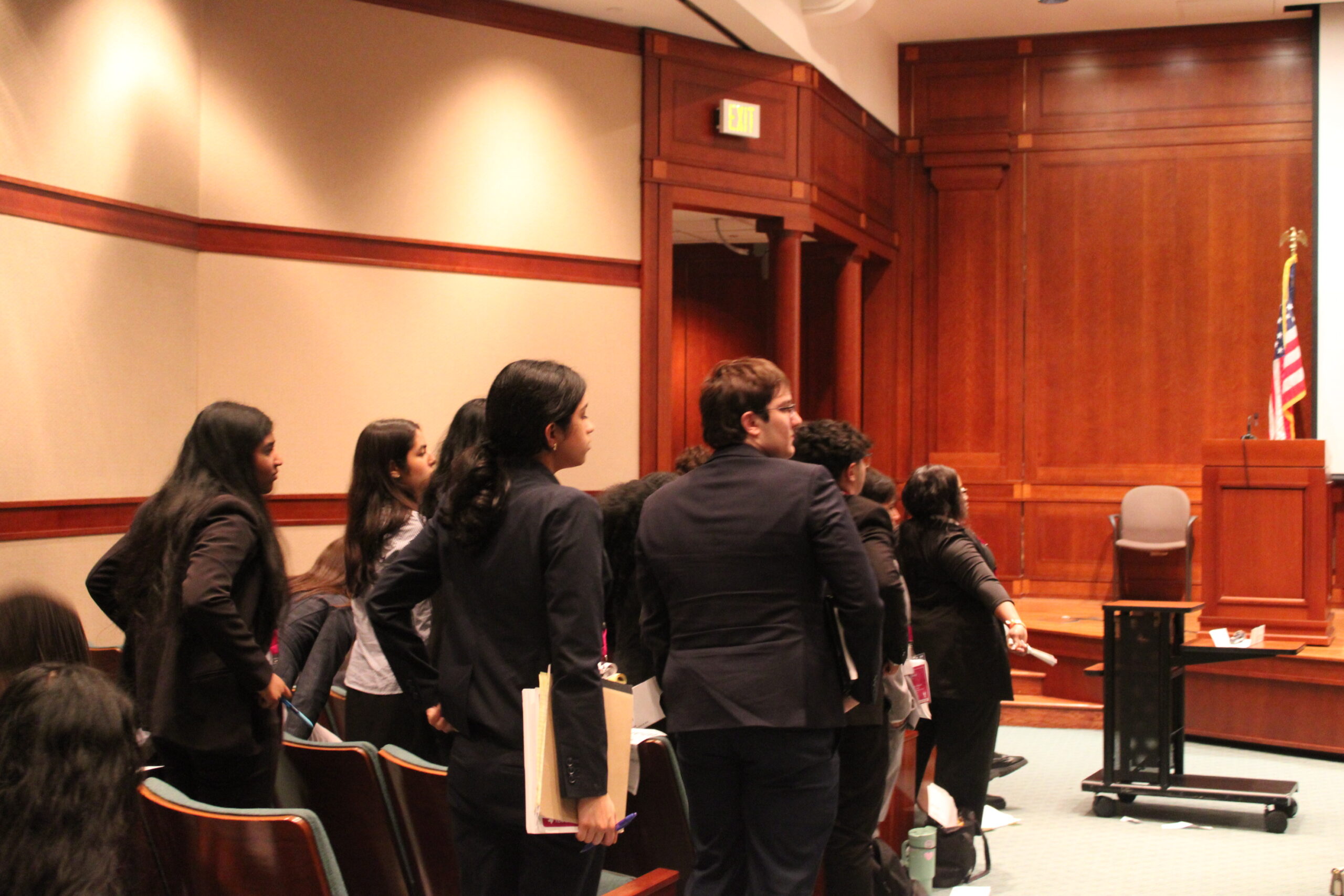
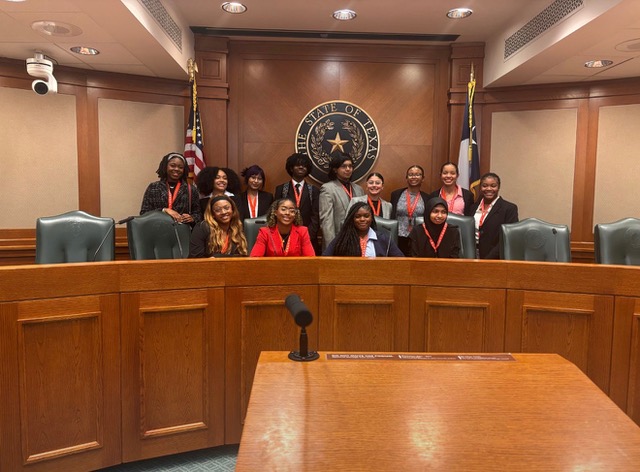
Members of the Duncanville High School’s Judicial team.


By Alana Dixon

Duncanville High School

The difference between a hotel ballroom and a real courthouse is more than architectural.

It’s emotional.

For judicial delegates, stepping into an actual courtroom transforms preparation into something tangible. The benches are higher. The room is quieter. The space feels permanent. Suddenly, what once felt like a simulation carries weight.

“It just feels more intense,” one judicial delegate, who requested anonymity, said. “Like the stakes are real.”

That intensity shows up in personal ways.

As a judge, control defines the courtroom, but control begins internally. “I’m probably most nervous about losing my edge,” the delegate explained. “As a judge, you have to control your courtroom, and sometimes you can lose your confidence, and I don’t want that.”

Behind the bench is not just authority, it’s vulnerability.

Sleep has been difficult. “No, I haven’t slept well for a while,” the delegate admitted. “Between campaigning and wanting nationals, sleep has been sparse.”

Preparation stretches beyond highlighted affidavits and rehearsed rulings. It lingers in quiet hours, mental rewrites, self-doubt, reminders to stay composed.

Then, the moment arrives.

“When I hear ‘all rise,’ it’s time, and I can’t falter,” the delegate said. “I own that courtroom, so I have to act like it.”

There is confidence in that statement, but also pressure. Owning a courtroom does not erase nerves. It means stepping forward despite them.

“I’m nervous about not being good enough,” the delegate admitted. “I tell myself not to worry, but honestly, worrying means I care, so I’d rather worry and care than not.”

That may be the real weight of “all rise.”

It is not just a cue to stand. It is a signal that preparation must meet performance. That doubt must give way to composure. That care must translate into command.

Inside a real courthouse, there are no rehearsal rounds.

There is only the moment.


2026-02-28T14:41:48-06:00February 28th, 2026|Uncategorized|0 Comments
Go to Top