Volunteer with us Today!! We have various dates to choose from Jan 31st | Feb 1st | Feb 27th | Feb 28th | Mar 1st | Sign Up Today!

YG Media

A Helpful Guide for YG Rookies

Welcome to the media section of Texas Youth and Government (Y&G)! If you’re reading this, you’re probably a first-timer who’s excited, maybe a little nervous, and ready to dive into the action. Don’t worry ­you’re not alone! As a fellow student who’s been there, I’m here to give you the lowdown on what to expect and how to make the most of your time in this awesome section.

Years of the Texas Youth and Government Conference. You’re not just a spectator­ you’re helping tell the story. Whether it’s writing articles, taking photos, filming videos, or even doing interviews, your role is all about capturing the energy of the event and sharing it with everyone involved.

One of the first things you’ll want to do is get familiar with your equipment. Whether you’re using a camera, phone, or laptop, it’s important to know how to use these tools before the conference kicks off. Double-check that your devices are charged, and make sure you have everything ready to go. Trust me, the last thing you want is to be scrambling for a charger when an interview opportunity pops up!

You’ll be assigned to different tasks during the conference. Sometimes you’ll write articles, sometimes you’ll snap photos or shoot videos, and sometimes you’ll get the chance to interview delegates. It’s a mix of responsibilities that keeps things interesting. If you’re not sure what your assignment is, don’t hesitate to ask your section leaders. They’re there to guide you, and they want you to succeed.

One of the most exciting parts of the media section is getting to interview delegates. But it can feel a bit intimidating at first. Don’t worry! Start by asking open-ended questions, ones that allow the person to elaborate on their experiences. Keep it conversational and relaxed, and try to listen more than you talk. Your job is to capture their story and bring it to life for the rest of the conference.

You’re not doing this alone! The media section is all about teamwork. You’ll be working alongside other creative minds, whether it’s brainstorming article ideas or helping each other during a photo shoot. Collaboration is key, and it’s also what makes the whole experience fun. So, don’t be afraid to ask for help or offer a hand when someone else needs it.

Being part of the media section at Y&G is an incredible way to see the conference from a different perspective. You get to meet new people, capture important moments, and even contribute to the bigger picture. So, take a deep breath, dive in, and most importantly­ enjoy the ride! Remember, everyone starts as a rookie. Embrace the learning process, and by the end of the conference, you’ll be a pro!

by Analy Alvarez
By: Dylan Nguyen
Woodrow Wilson ECHS

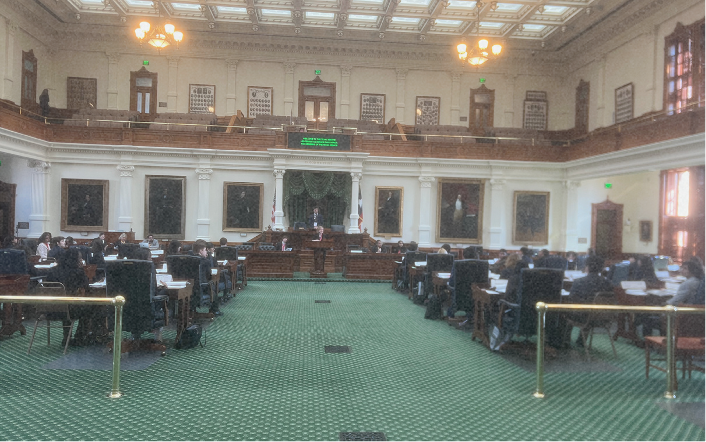
Austin, TX – One of Youth and Government’s four primary departments is the Texas YMCA Youth and Government Legislative. People participate in a legislative body, identify issues, draft bills, debate them, and present them. Legislative members draft a bill and conduct research to refine their performance in front of the conference. To decide which bills will be forwarded to the state, they must pass stringent hearing committees at the District Conference. In these committee hearings, the author of a bill starts with their opening remarks where they have 3 minutes to elaborate on their bill and ultimately persuade delegates to be in favor of the bill. Preceding this, Delegates ask the bill author questions regarding their bill during a short period of question and answer.

Following the Q&A session, the delegates engage in a debate of opposition or agreement. To demonstrate their support for the bill, two delegates speak as proponents and two delegates speak as opponents. The amendment phase follows, during which delegates revise the bill that is already on the table to include any necessary changes. The bill’s author concludes with closing remarks following the Amendment Period, and the caucus votes on whether to move the bill forward or not. If a delegate’s bill makes it to the state conference, the bills are then separated into either House or Senate bills where they then are heard in a first committee, advanced to a chamber, and eventually sent to the Youth Governor.

Q&A with Legislative Delegates

Delegates’ Favorite Part of Being in Legislative:
“Being able to speak and talk on a bill”
-Delegate Truc Le, District 4

Delegate Grayson Carlson, District 3, is a part of the Senate chamber and mentions that “the ability to debate, the fast pace, and procedures of legislative” is what keeps him intrigued.
“Students building bills, doing research, and making solutions to problems”
-Parent Advisor Meg Cotter’lynch

The diversity of thoughts and perspectives in legislative is Delegate Mason Wakefield’s favorite part.
Challenges Legislative Delegates face:
“Growing Confidence”
-Delegate Levi Jenkins, District 3

Forgetting what she was going to say is a big challenge for Delegate Truc Le.
Preparing for questions is a big challenge for delegates, according to Parent Advisor Meg Cotter’lynch.

Tips and Things to Look out for:
“Self-doubt is a big thing to look out for, just believe in yourself”
-Delegate Levi Jenkins
“Don’t be afraid to speak”
“Add value to the committee. don’t go up just to say something”
-Delegate Mabel Cotter
“Preparation is really important”
-Parent Advisor Meg Cotter’lynch
“Just jump into the deep end and dive into it” “It starts scary but you’ll ease into it”
-Delegate Mason Wakerfield

CASE IS NOW IN SESSION – DAY 2: JUDICIAL VERDICT

Written by: Alberto Robles

Day 2 of the 2024-25 State Conference begins, and things are already intense. On the first day of official competition, delegates head to their sections to compete in everything they’ve worked for. Competitors are spread throughout the city of Austin, with events taking place at various locations: Legislative at the Kalahari, SAF at the Capitol, and Judicial at Austin Community College.

At Austin Community College (ACC), the day began with anticipation as groups were assigned to their competitions. As delegates settle into their groups and courtrooms, tension rises — it’s now time to showcase everything they’ve worked for.

In one courtroom, with the case of Wanda Waffle v. Herb Salt, students prepare for the outcome. As they wait for an evaluator, students review case notes, documents, evidence, and read over their scripts. When the evaluator enters the room, students shift their focus, fully committed to their characters. It’s a chilling story of multiple opinions, with each student deeply immersed in their roles, playing out a devastating narrative. Wanda Waffle, grieving the loss of her child, Hazel Nutterson, who tragically died due to unannounced, ignored, and deadly cross-contamination.

When asked, a delegation group from Houston commented, “Since the bus ride here, we’ve been going over notes!” This highlights the dedication of many other schools, which have been practicing since Day 1 of the conference. Students underwent two trials before noon, alternating between the defense and prosecution sides.

By the time 12:30 p.m. rolled around, students were ready for a real recess. When lunch came, students around campus shared laughter and commented on their cases and trials. Delegates returned to their respective sections, refocused and ready to face the challenges of the afternoon cases. The competition was far from over, but the drive and dedication displayed by each delegate remained a driving force.

Diversity in YAG a More Inclusive Legal Profession

Written by: Alana Dixon

Y AG isn’t just an extracurricular club but rather a platform for the next group of diverse leaders who dare to make a change. Despite African Americans and Hispanics making up only 5-6% of lawyers in the country (American Bar Association, 2024) and those with disabilities only representing 3% of attorneys (National Association for Law Placement, 2023), programs like YAG allow us to change this narrative. The legal field has excluded many groups, and the impact is still felt today. The numbers speak for themselves. They show a significant diversity gap in legal fields, however, Y AG goes beyond the classroom experience and exposes students to the different roles in the legal field. Public speaking, mock trials, and more hands-on experience are key. It helps students become confident and prepared about law-related things. All are vital for a successful career.

In addition to the practical skills gained through mock trials and debates, YAG encourages critical thinking and problem-solving. Students do not just memorize legal principles and apply them in real-time scenarios. This active engagement fosters a deeper understanding of law and its impact on society.

YAG students learn to navigate the hardships of policy, law, and governance, preparing them for the challenges they will face as future leaders in the law profession no matter what they do. Many students involved in YAG are passionate about law but also see a lack of representation, pushing them harder. They enter YAG wanting to make a change and break an outdated history that has excluded them in hopes of being the person who changes what the next generation will see. Their commitment is a reminder that, while the current statistics might seem discouraging, the next generation can change that. Like the first black Congresswoman Shirley Chisholm said “If they don’t give you a seat at a table, bring a folding chair”.

Mother Loses Daughter in Delivered Tragedy

Loving mother and daughter are separated by death caused by a severe allergy reaction.

By Shihan Wang, LASA

Wanda Waffle, a loving mother who tragically lost her daughter in an allergen accident, has decided to take the owner of Herb’s Garden, Herb Salt, to court for negligence. Wanda is an average suburban mother to her daughter, Hazel Nutterson. Their family has lived in Nacho Country for Hazel’s entire life. Hazel was very involved in the community and was a dedicated member of her high school’s cheer squad. Hazel’s peanut allergy was discovered when she was just a small child, she was eating a protein bar when she suddenly had a reaction, and Wanda had to rush her straight to the hospital, where, thankfully, they got an EpiPen, and Hazel’s life was saved. Ever since that incident, Wanda has been very careful, making sure that she verifies the safety of everything her daughter eats.

“I would go as far as to make friends with the restaurant staff to make sure that there would be no risk.” – Wanda.

The night Hazel died, everything was normal. Wanda ordered delivery from the local restaurant Herb’s Haven, for Hazel, a vegetable curry with white rice. Things continued normally until Hazel took the first bite of her curry. As soon as her body came into contact with the peanut particles in the curry, she immediately went into anaphylactic shock, where her throat tightened, preventing Hazel from breathing correctly, and severely lowered her blood pressure. Wanda called 911 while searching desperately for Hazel’s EpiPen, something she should have carried with her at all times. This time, Hazel forgot her Epipen in her makeup bag that she left at her cheer friend’s house. Hazel dies before first responders can arrive. After Hazel’s death, Wanda’s mental health has deteriorated significantly.

“I don’t eat, I can’t get out of bed, I’m just so distraught. I miss her so much.” —Wanda

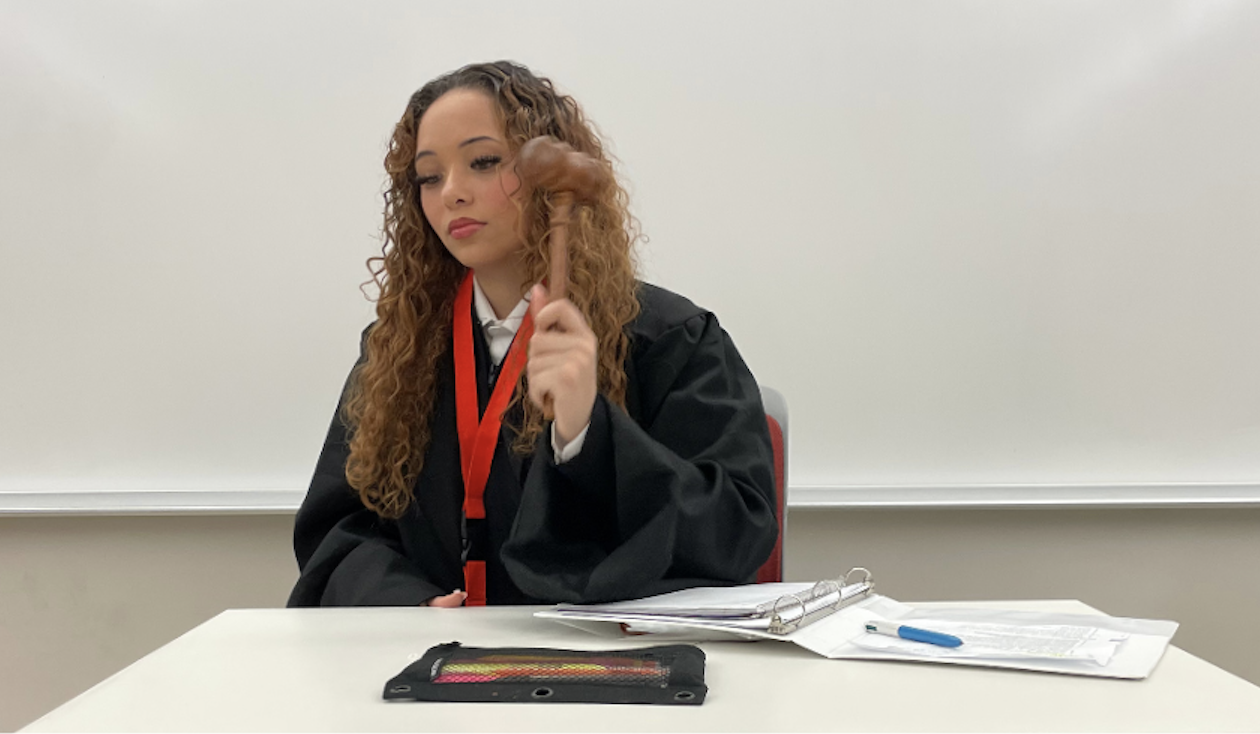
(Caption: Waffle bursts into tears on the stand when being questioned about the circumstances of her daughter’s death.)

Wanda has not been able to cope well with the loss of her only child, her grief interfering with every aspect of her life. Taking the restaurant responsible for Hazel’s death has been Wanda’s way of bringing justice for her daughter. Although Hazel’s tragedy has already passed, future accidents like hers can be prevented.

Civic Responsibility in the State of Affairs Forum

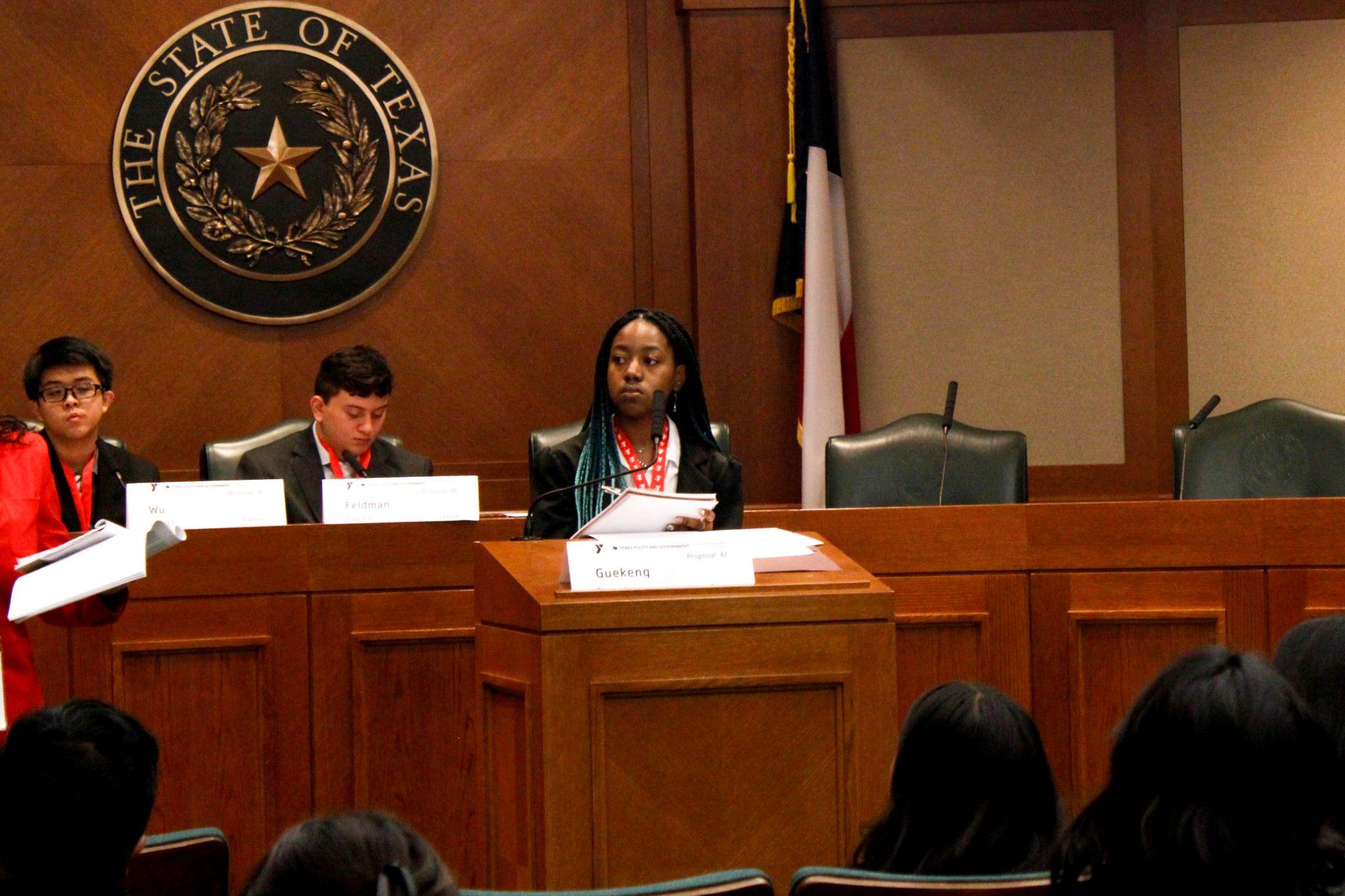
Peggy Guekeng, proposing about mandatory provisions of afterschool child care programs in the State of Affairs Forum.

By: Avril Mauricio-Davila

The State Affairs Forum offers students a unique opportunity to immerse themselves in the complexities of civic engagement, equipping them with the skills and knowledge necessary for active participation in public life. By engaging with current events, governance structures, and the decision-making processes that shape society, students gain a deeper understanding of their civic responsibilities. Through hands-on experience in debates and discussions, they develop the critical thinking and communication skills essential for future involvement in politics, advocacy, and other fields that influence public policy. This program not only informs but inspires, fostering a new generation of informed, passionate citizens ready to make a difference.

Civic responsibility is the foundation of a healthy democracy. When individuals actively participate in their communities and the larger political process, they realize how important it is to research and know who and what you’re voting for. The State Affairs Forum plays an important role in helping students understand this responsibility by encouraging them to discuss issues that shape society as well as come up with proposals for solutions. It also opens the floor to pro and con views on said proposals. This doesn’t only allow students to be aware of current issues but also shows them how to respond to debates and allows for other people to propose ideas from different perspectives and backgrounds.

The State Affairs Forum involves staying updated on current events, understanding policies, and advocating for meaningful change. It challenges students to think critically about how their actions, choices, and voices can influence public decisions and contribute to the common good.

Through these debates, students can receive and discuss up-to-date information. Not only that, but each proposal presented is well-researched and structured. Participants are asked questions and demonstrate the in-depth understanding they have learned as preparation.

The Center for Information and Research on Civic Learning and Engagement (CIRCLE) conducted a poll in early 2023 saying that “76% [of youth] believe that their age group has the power to change things [and e]ven more (83%) recognize the potential of young people working with other generations to create change.” Yet only 77% feel like there are ways to get involved.

Part of the Youth and Government Program is to help young adults see how much they can do. When writing these proposals, students realize just how much potential they have and how much responsibility they carry as future leaders. A big part of being able to do something is being informed and well-researched.

In conclusion, the State Affairs Forum is a facilitator and resource for students to use toward becoming engaged and responsible citizens. By fostering a deep understanding of civic responsibility and exposing students to current events, the forum prepares them for meaningful participation in politics and advocacy. As students gain knowledge of governance and decision-making processes, they are empowered to not only voice their opinions but also take action that can drive positive change.

What is Mock Trial Up To at the District Conference?

By: Elijah DeBusk

During the Youth and Government district meet the trial teams are hard at work trying to
prove that their “side” is right whether that be the prosecution or the defense. During the weeks
leading up to the District meet the trial teams were working on their case. They were writing
questions for their witnesses or they were making questions to ask the opposing teams
witnesses and they were learning the in’s and the out’s of the case so that they were properly
prepared.

At the meet we took some interviews with some of the people from the LASA trial team.
When we were doing the interviews we took time to ask some important questions about their
case. One of the people we had the privilege of interviewing was Anthony Soliz. Anthony told
me about his case “Nutty Negligence” , the first question I asked is a summary of the case and he
said that “the case is around a person named Hazel Nutterson who died of anaphylactic shock
because of a peanut allergy when she ate a dish from a restaurant after she had stated that she
is allergic to peanuts.”. After he gave me the basic information about the case I asked him how
his trials have gone so far today and he started that “ he said that his first one went not to good”
and then I asked him why he said that which he responded with “he said his lawyers could have
done a little bit better with objections”. The last few questions I asked him was about what he
found hard in the case and he said “having to memorize all of the information that he was given”
What he said shows even with lots of preparation it is still hard to be completely prepared and
that you have to be flexible with what happens.

Go to Top