Old Rivalries, Digital Trails, and Reasonable Doubt
Austin, TX – Delegates competing in the Texas Youth and Government State Conference are stepping into one of the most intense courtroom dramas of the year: The Case of “Local Politics, Old Enemies, Deadly Explosion” , State of Texas v. Harper Lynn.
Written by Hon. C. Tyler Atkinson of the Denton Municipal Court for the YMCA Texas Youth and Government 2025–2026 season, the case challenges students to argue charges of murder, criminal conspiracy, and criminal solicitation in a politically charged car bombing that rocked the fictional town of Redwood Crossing.
At the center of the case is Council member Harper Lynn, accused of orchestrating the fatal explosion that killed fellow council member Dakota “Kody” Maddox at 2:41 a.m. on Feb. 3, 2025. Prosecutors must prove beyond a reasonable doubt that Lynn intentionally or knowingly caused Maddox’s death, as outlined under Texas Penal Code Sec. 19.02.
“This case isn’t just about an explosion,” said one returning trial court delegate during practice. “It’s about motive, digital evidence, and whether circumstantial proof adds up.”
The prosecution leans heavily on digital forensics and motive. Detective Jordan Reaves testifies that a burner phone tied to Lynn’s 2023 campaign pinged near Maddox’s home hours before the explosion. Reaves also recovered deleted search terms from Lynn’s city-issued laptop, including “how to spoof a phone number in Texas” and “untraceable cell phone carriers.” In addition, a $10,000 wire transfer labeled “Service Payment” was sent from Lynn’s account days before the bombing.
“There are no fingerprints, no eyewitness placing her at the scene,” Reaves states in his affidavit. “However, the evidence we do have forms a compelling and consistent narrative.”
The defense pushes back hard. Digital forensics expert Zane Torres argues that tower pings only place the phone within a several-mile radius and that public library IP addresses and unsecured laptops make definitive attribution difficult. “What looks incriminating to a layperson might be routine, misattributed, or engineered,” Torres explains in his affidavit.
Adding to the tension are years of public hostility between Lynn and Maddox, including a heated council meeting where Lynn shouted, “You’re the rot in this city, and you’ll be gone one way or another!”
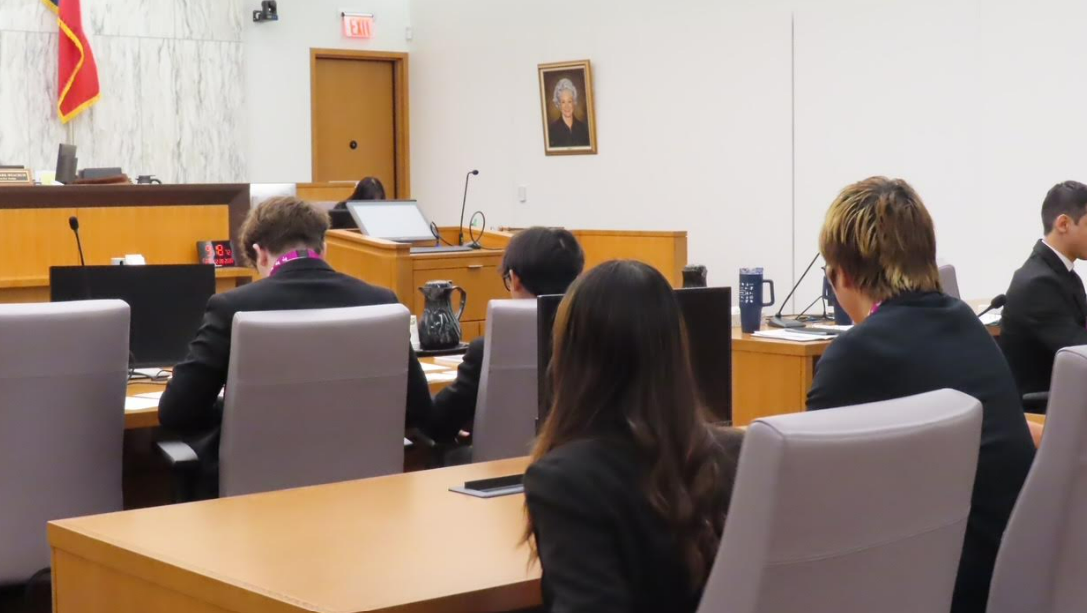
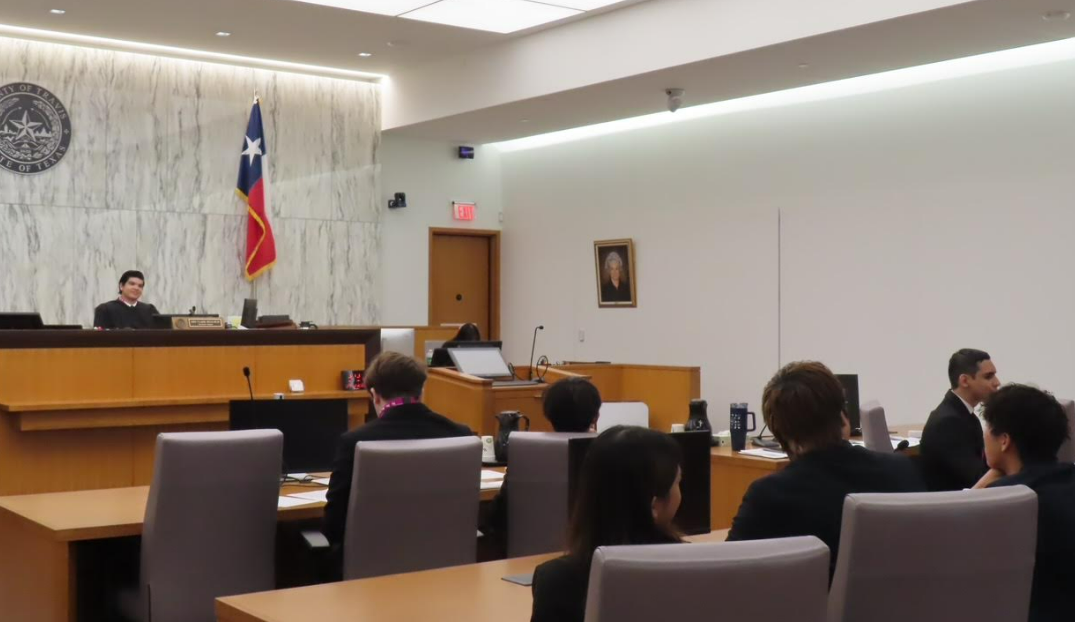
For delegates, the case demands mastery of objections, evidentiary foundations, and the meaning of “reasonable doubt.” As teams finalize witness outlines and refine opening statements, one thing is clear: this trial will test not just legal knowledge, but persuasive storytelling under pressure.