
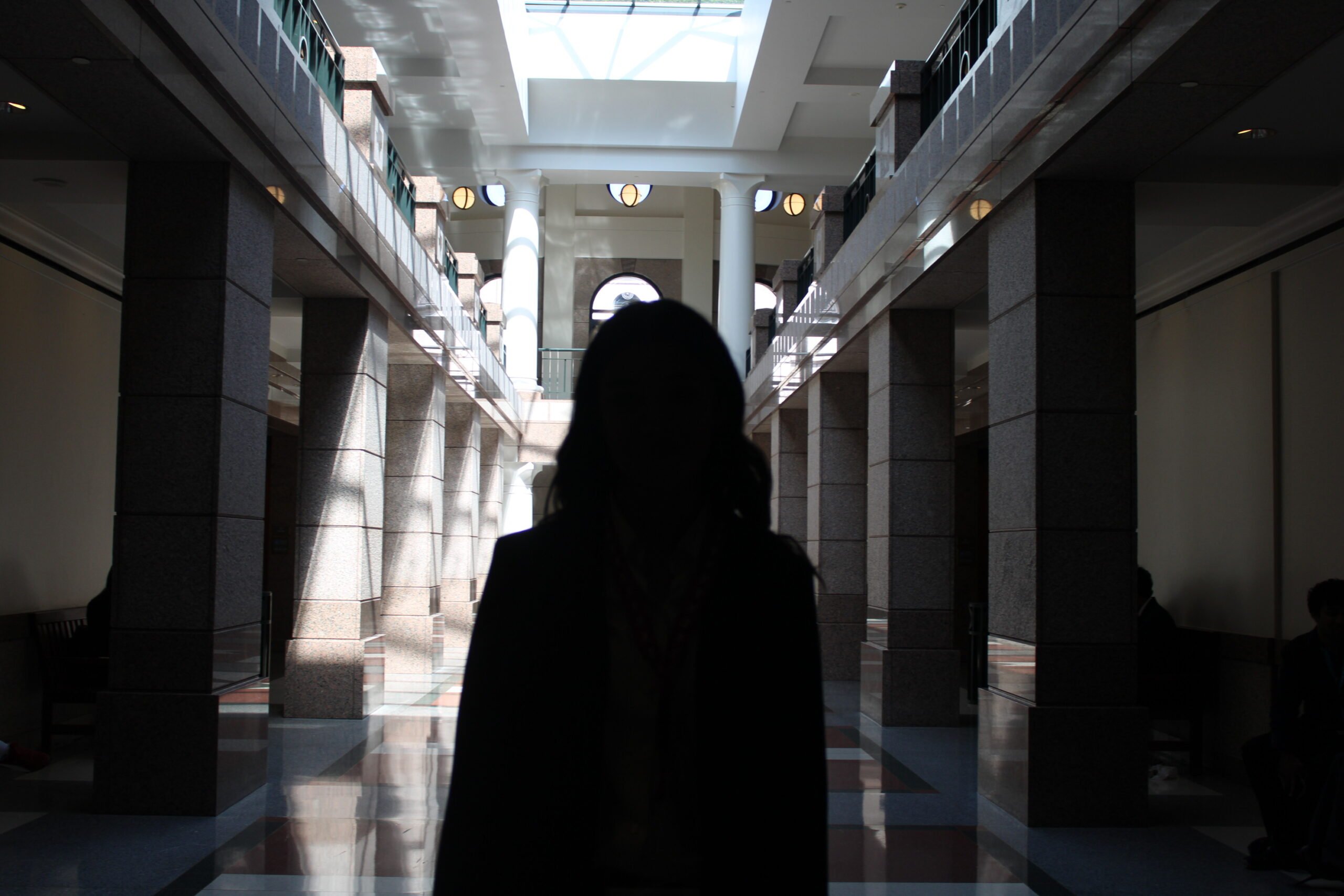
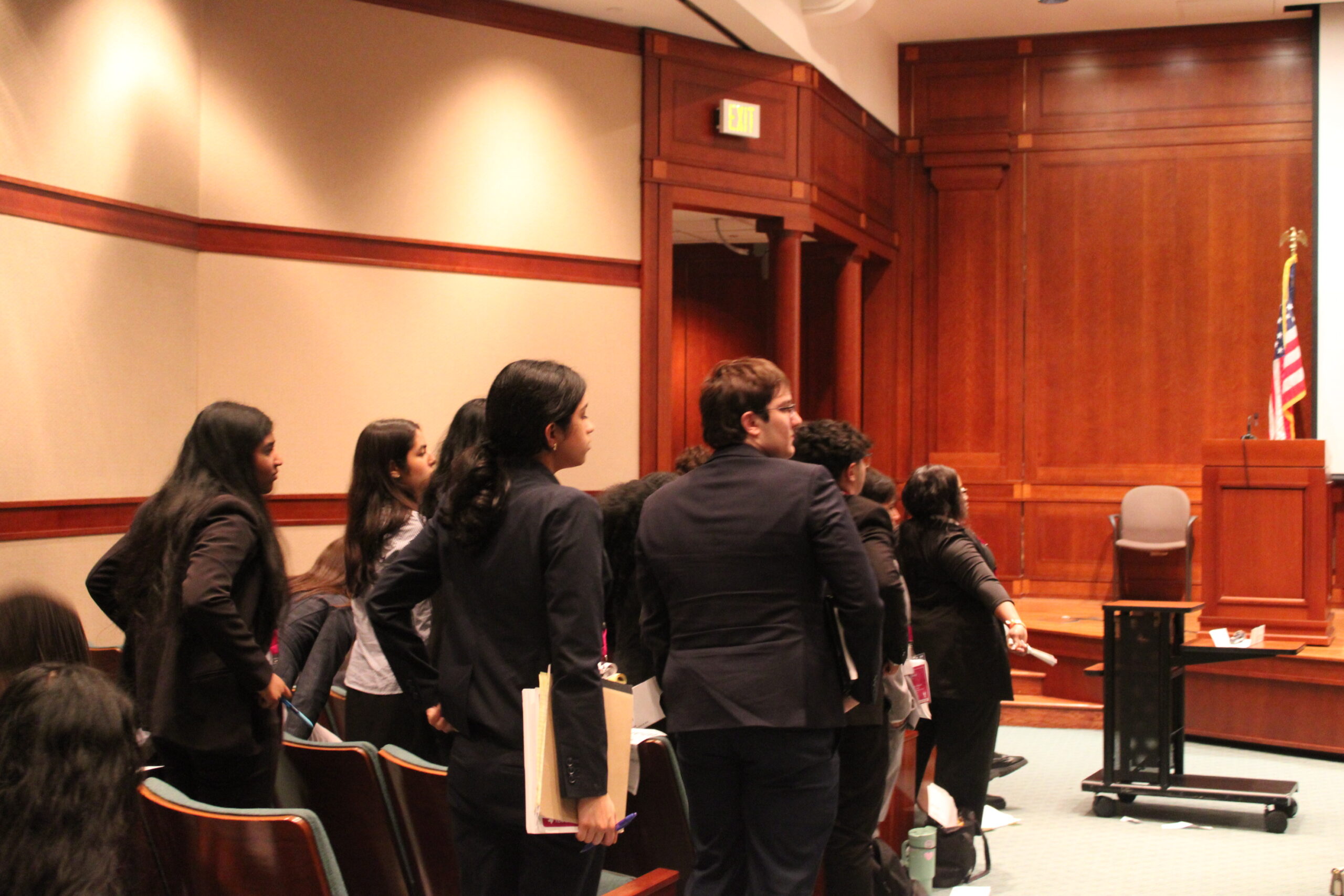
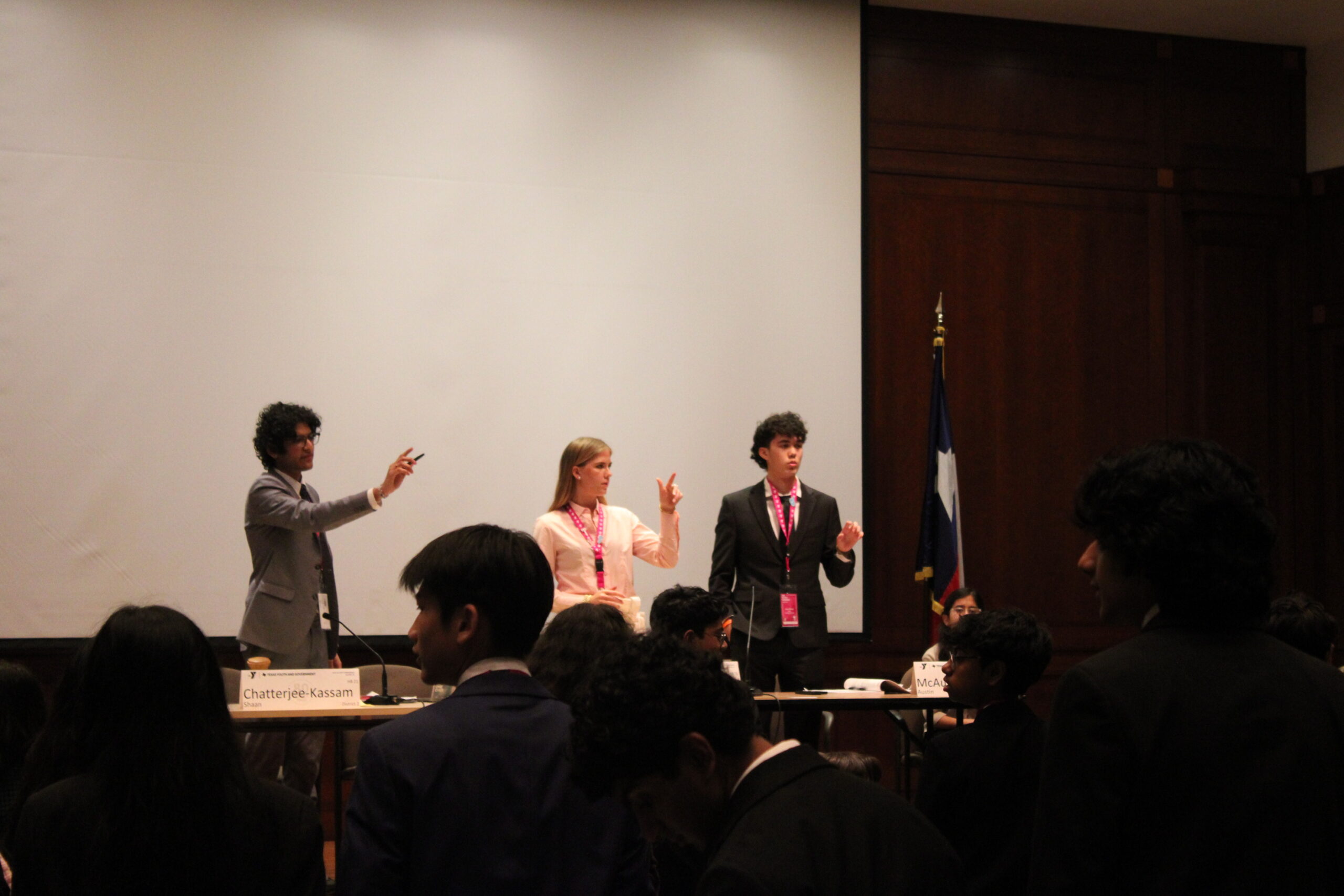
From the grand Texas sunset red granite walls, geometric marble floors, towering ceilings, and chambers filled with strict procedures, one would feel intimidated by the Texas State Capitol. However, inside the Capitol today, YG Legislative delegates are prepped and ready to argue their bills to their fullest. But then the question arises, where did this proposal come from, and the answer is easy: a simple thought.
For some, inspiration comes from real-world issues they’ve witnessed firsthand. Bills like SB 24, protecting student journalists, grow out of personal experiences. For others, it’s from noticing issues in their communities, like HB 60, which declares an emergency on feral hog hunting and institutes a subsidy program for them. Some bills are born from curiosity, like HHB 70 explores alkaline hydrolysis as an alternative to cremation, while others aim to protect consumers, like HB 1, which requires companies to notify customers before automatic recurring charges. As one experienced delegate put it, “You can choose anything you want, but you’re typically going to see more serious issues make it to the floor debate.”
Even with this wide range of creativity, delegates still work within Youth & Government’s banned-topic list. This year, topics like gender identity, THC, DEI, medical mandates, and the Second Amendment were off limits, which shapes the boundaries of what delegates could look into.
For many delegates, new and experienced, the real challenge is figuring out what to argue in the first place. One Legislative student explained, “I couldn’t even think of an idea. It was my first time in YG, and there were so many topics and fields. I had no clue where to start. I was shy, and it was hard to ask seniors for help.” Another delegate said the choice depends on the person: “If you’re doing it for fun, go all the way with a silly bill. But a lot of people choose to write about things they’re truly passionate about or have lived through.”
The delegates also mentioned how surprising it was how formal Legislative actually is. “There’s so much etiquette,” one student said. “If you forget to say your name or delegation, someone WILL call you out immediately. It’s rough at first, but you learn the rhythm.” This formality becomes even challenging when paired with “fun bills.” “It’s hilarious discussing a silly bill in such a serious, rigid format,” she continued. “The contrast makes the whole experience even better.”
Once an idea becomes a bill, the real trial begins. Delegates described the experience as absolutely nerve-wracking, unpredictable, and exhilarating. “It’s a lot of on‐the‐fly thinking,” one delegate said. “You have to answer questions confidently, even when you’re terrified. But it’s thrilling! I enjoy the fast pace, the unpredictability, and the adrenaline.”
Another delegate compared it to other sections: “In appellate or mock trial, you know the story. But in Legislative, anything can happen. You just have to move with the waves.”
When asked whether the delegates can predict the questions they’ll get, one legislative kid laughed: “If you knew what people were going to ask, you’d put it in your bill. Most questions are curveballs.”
“Being in Leg is such a good learning experience,” one delegate said. “It showed me so many gaps in my bill, and I found a lot of benefit from the big family around me.”
From serious policy proposals to creative experimentations, every bill debated today represents a student who cared enough to turn an idea into something real. And in the chambers of the Texas Capitol, those ideas gain the opportunity to become part of something larger: a space where young people learn how democracy works by doing it themselves.
Natalie Ortiz