
Austin, TX—The debate involved debates on several bills, including House Bill 60, Senate Bill 45, and another bill. House Bill 60, sponsored by Delegate Kennedy, proposes incentivizing hunters to control invasive feral hogs, citing economic benefits and environmental improvements. Opponents, like Delegate Torres, raised concerns about the environmental impact and sustainability of disposing of 4 billion hog bodies. The bill was not passed.
Senate Bill 45, sponsored by Delegate Camaro, aims to regulate K-5 classrooms to improve student academic performance, citing research from the University of Salford and others. The bill includes state funding for repainting schools with lead-free paint, estimated at $30 million. The debate focused on an amendment to Senate Bill 45 that would require 50% of classroom walls to remain uncovered. Hunter proposed the amendment to ensure compliance and ease enforcement. Delegate Cerseior opposed, arguing it infringes on teachers’ decoration rights. The amendment failed to pass. A second amendment allowing alternative claiming color palettes was proposed by Delegate Gilbert, supported by Delegate Speaker 6, who argued it addresses the bill’s rigidity and promotes flexibility. Despite opposition highlighting potential issues with paint longevity and funding allocation, the amendment also failed to pass. The debate emphasized the importance of the classroom environment on student focus and attentiveness. With some delegates arguing for flexibility and others for uniformity. The bill was not passed.
The next debate discussed amendments to a bill requiring a 70% product-to-container volume ratio and airflow protection during transportation. The First Amendment, supported by a majority vote, protects manufacturers from lawsuits and ensures product integrity. The second amendment, rejected by majority vote, introduced a 30-day grace period for first-time violations before penalties apply. The bill aims to prevent deceptive packaging practices by mandating a minimum product content. Proponents argued it promotes transparency and consumer trust, while opponents raised concerns about enforcement, potential price increases, and the impact on small businesses. The bill was not passed.
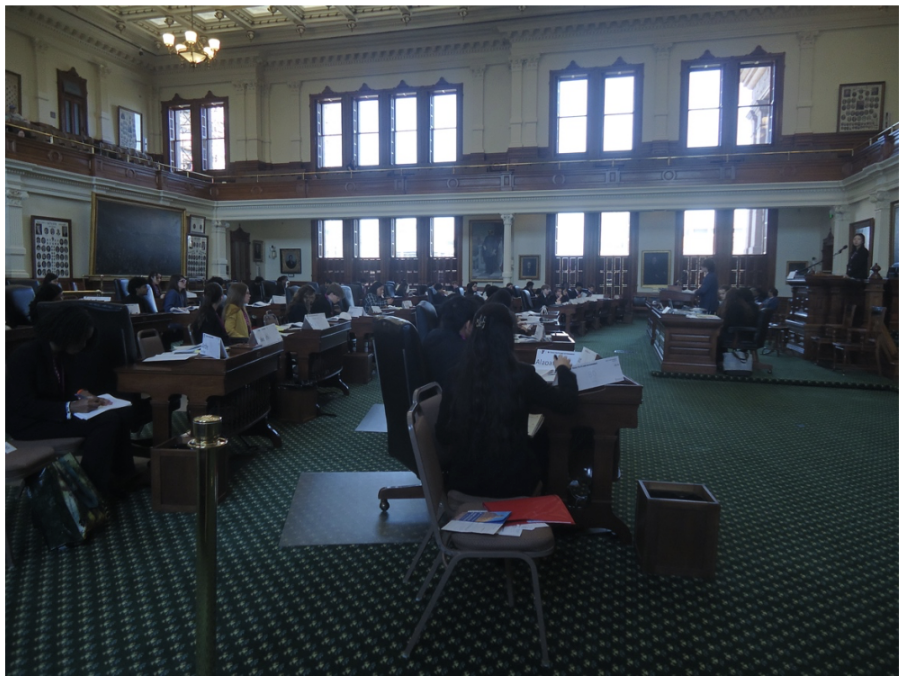
Caption: Senate Chamber debate
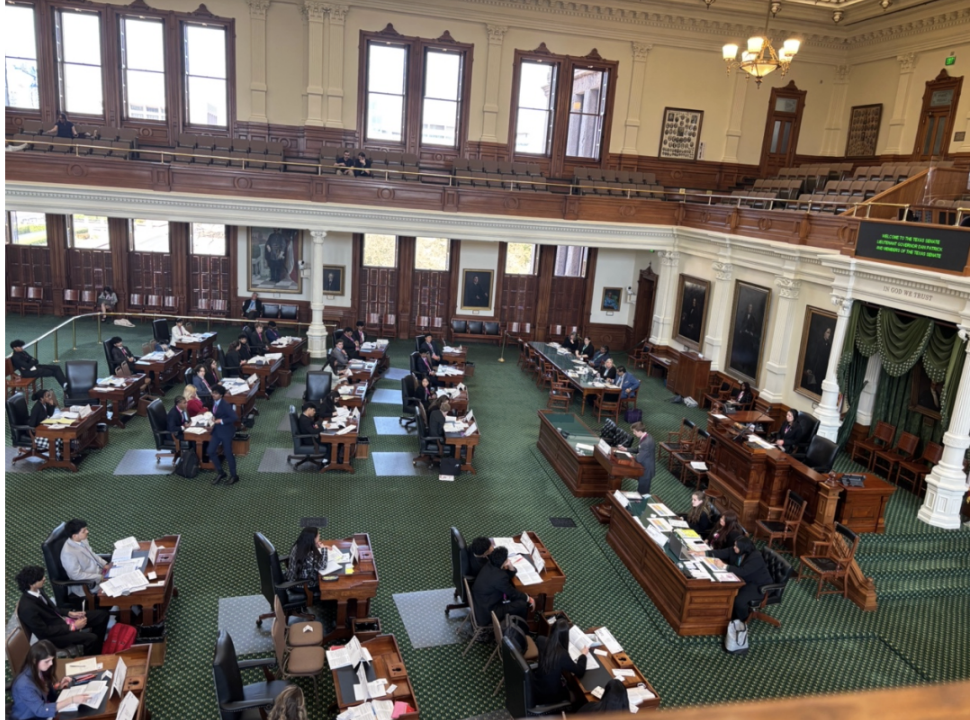
Caption: Senate Chamber debate
Blog by: Alaurya S., Glenda Dawson High School