
The Birds Fast: How Islam has Grown Within the West
By: Mercy Otieno
James W. Martin Highschool
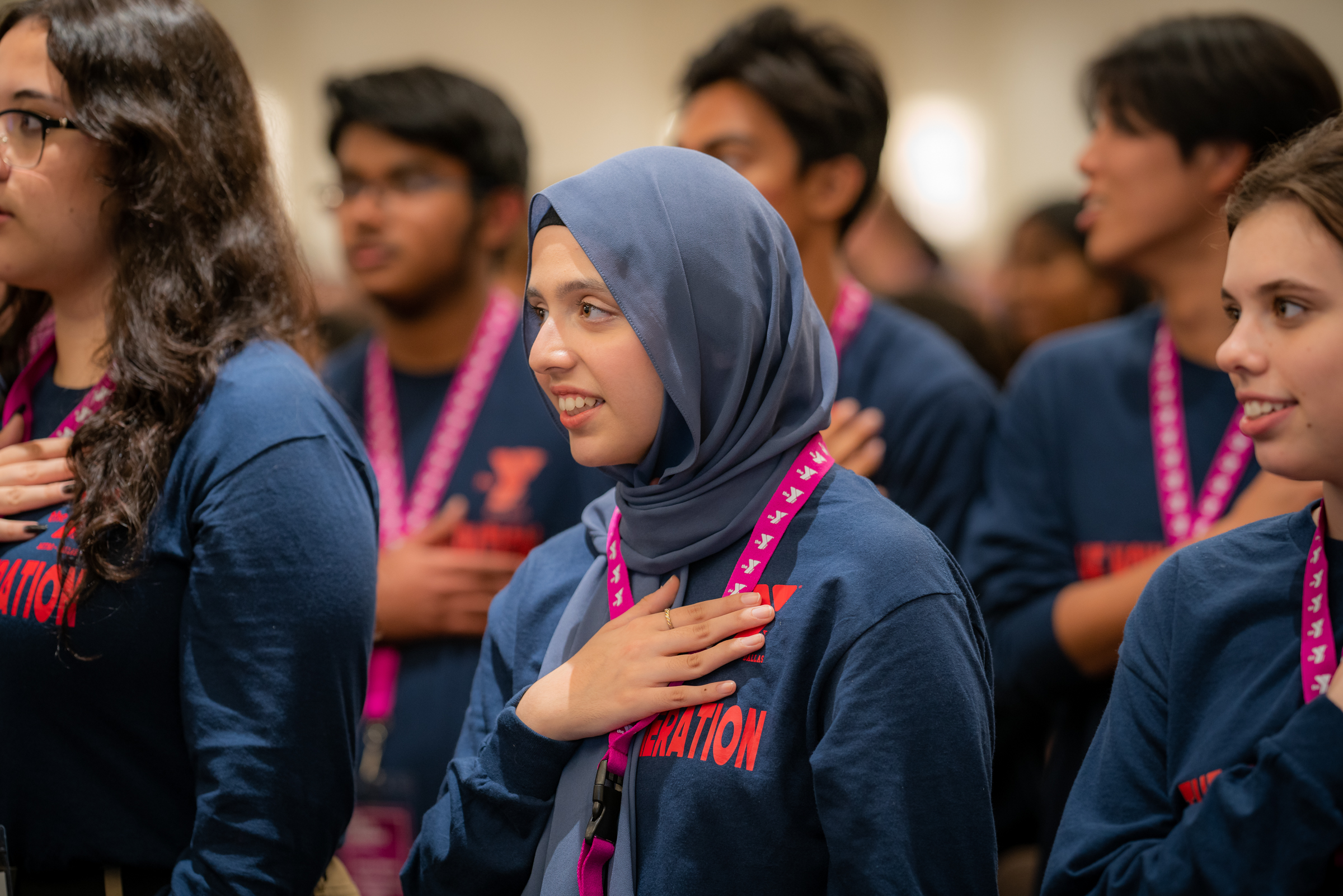
Ramadan, the ninth month of the Islamic calendar, is one full of fasting and prayer. This year, the State Conference lies within its 30 days, so Muslim delegates are able to decide whether or not they want to fast.
Common exceptions for not deciding to fast include: women who are breastfeeding, pregnant, or on their menstrual cycle; children who have not yet begun puberty; individuals with health concerns; and those who are traveling. However, those who choose not to are expected to make up the days they missed before the next Ramadan.
“I’ve made the decision not to fast for the conference because there is constantly so much going on and so much movement, and I wanted my complete and entire focus to be on maintaining my energy for debate,” Muslim delegate Lana Kamel said.
Historically, a majority of women unable to fast often hide the fact that they are eating from others, especially men. However, in 2026, women are beginning to feel less ashamed of their womanhood.
“There are so many women that are actually overcoming that and are choosing to, kind of just be themselves and be the Muslims that they are without letting anybody interfere with that,” Kamel said. “Not fasting does not mean that you are not Muslim; it just means that you are under a different set of circumstances, and the circumstances are always completely valid. And so that applies to traveling, like on this conference, and to Muslims everywhere who are in just different stages of life.”
Even those who aren’t Muslim and don’t participate in Ramadan often feel badly about eating in front of others in an attempt to not be “disrespectful.”
“No, [eating] is nothing to be ashamed of,” Muslim delegate Emma Jusic said. “Fasting is about resisting temptation. You have to resist food, even if, like, people around you are eating.”
Non-Muslims are also scared to ask questions and therefore make untrue assumptions about the festivity, due to a fear of being overbearing. However, unless inspired by crude intentions, there is nothing wrong with making the decision to be informed.
“I don’t think I’ve ever felt triggered by a question about Ramadan, because I think that if people are curious enough to ask, then it’s more of a sympathetic thing,” Kamel said. “It’s more of a, like, true curiosity than just, like, someone being uninformed, and so I’m always happy to explain that, ‘Yes, it’s even water.’”
At Iftar, the meal at sunset to break the fast, Muslim families have their own traditions, or order as to how they do so, typically drinking water and eating dates.
“Dates are a really big part of our culture and our heritage, and so that’s always been kind of the tradition, and it goes back to, like, the origins of Ramadan. That’s how people broke their fasts [in the past],” Kamel said.
However, Ramadan in its entirety is not about fasting. It’s also about community.
“There are so many communities, especially in Texas, of just, like, the diaspora coming together to have Iftar together,” Kamel said. “[When she began fasting] my parents would do something they called ‘the birds fast.’ So I wouldn’t eat until maybe 3 o’clock, and then when I got hungry, they would make my little meal, and then I’d finish off the day fasting with them.”
Post-COVID, businesses have worked more toward being inclusive of their Muslim consumers, especially with the number of emerging Arab cafés.
“I work at a Muslim-owned coffee shop, and they open at night for their Muslim and Arab community,” Kamel said. “[Overall], this just kind of represents the growth of the Muslim community in DFW over the last decade or so.”