IN THE FINAL MOMENTS BEFORE ENTERING THE COURTROOM, DELEGATES FOCUS ON MINDSET, TEAMWORK, AND COMPOSURE
Austin, TX – In the final moments before entering the courtroom, delegates focus on mindset, teamwork, and composure
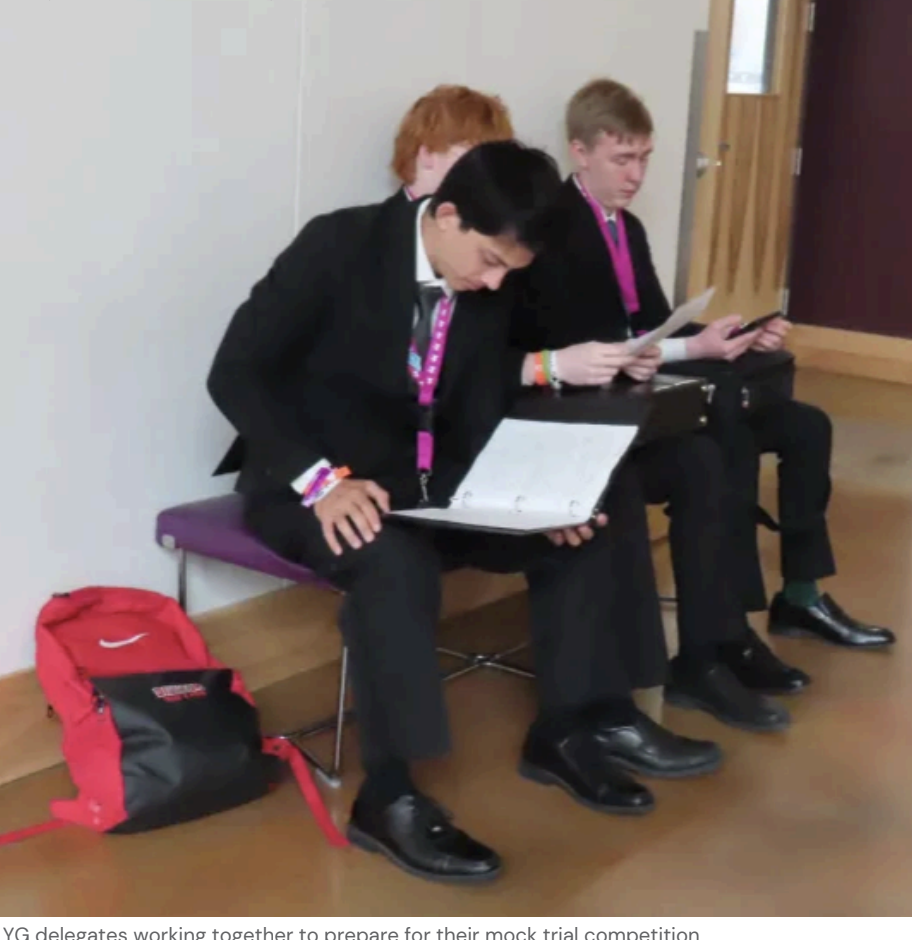
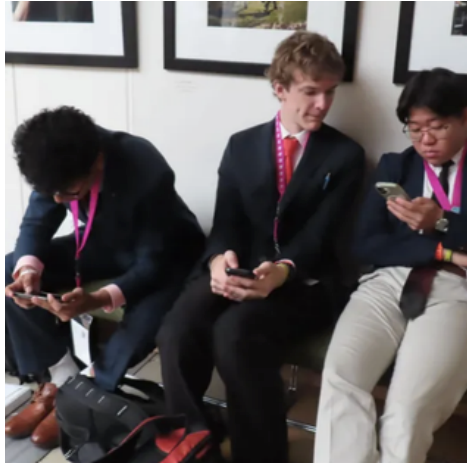
After months of preparation and days of practice mock trials, the atmosphere shifts dramatically in the minutes before Mock Trial competition begins. Outside the
courtroom doors, Texas Youth and Government Judicial delegates huddle together one last time, not to relearn the case, but to center themselves.
In these final moments, attorneys quietly review condensed note cards with key objections and impeachment points. Rather than rereading the entire case packet, they focus on reminders: maintain eye contact, pause after objections, emphasize burden of proof. “At this point, we know the material,” said Noah Dinh, a prosecution attorney. “Right before we walk in, I just remind myself to slow down and be confident.”
Witnesses often step aside with their attorney for a brief character check in. They rehearse tone and key facts like dates, relationships, and major events, to ensure
consistency under cross examination. Some delegates close their eyes and mentally walk through their testimony from start to finish. “I go over my first answer in my head,” shared first year delegate Vincent Nguyen. “If I start strong, the rest feels smoother.” Teams also use these minutes to boost morale. Many delegations review courtroom roles one last time remembering who handles objections, who delivers closing, and who tracks time. Clear communication prevents confusion once the round begins.
Advisors say body language becomes a major focus in these final seconds. Students are reminded to stand tall, enter professionally, and treat every interaction, even setting down their materials, as part of their performance. Deep breaths are common as delegates steady nerves before the judge calls the room to order.
Despite the nerves, there is also excitement. Months of preparation have built toward this moment. The case strategies are set, the examinations memorized, the objections practiced repeatedly. Now, preparation gives way to execution.
When the bailiff announces the court is in session, the whispers stop, shoulders square, and delegates transform from students into attorneys and witnesses ready
to put their preparation to the test.